How to Choose the Right ROV: 3-Step ROV Selection Guide
ROV
2026/11/09
Reading volume: 2
News Details
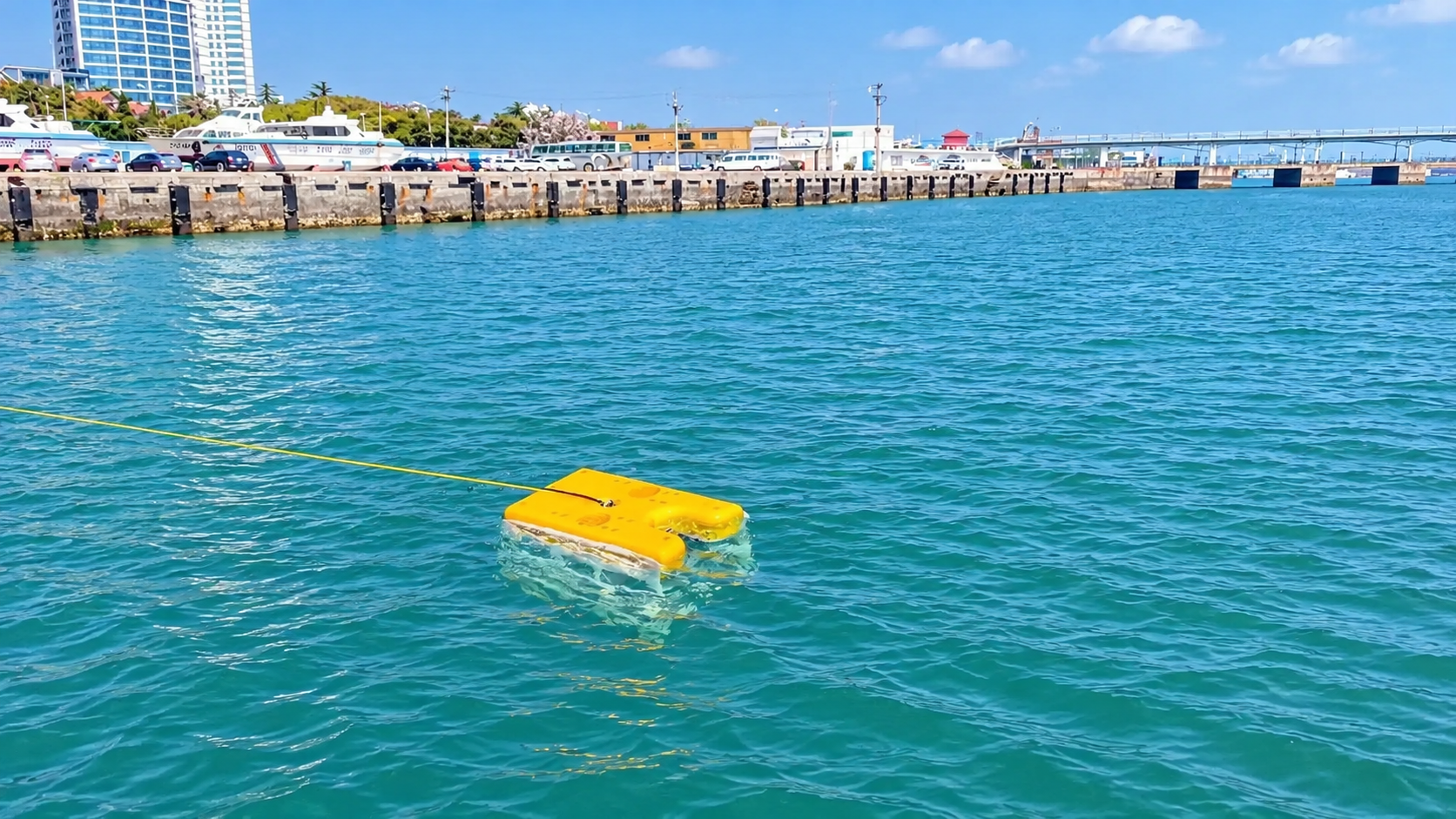
Selecting the appropriate Remotely Operated Vehicle (ROV) is crucial for every underwater undertaking. The correct ROV can simplify inspections, enhance work safety, and reduce time expenditure.
Nonetheless, different projects necessitate distinct vehicles. Some demand a basic camera system, whereas others require greater power, deeper operational capacity, or supplementary tools.
Therefore, how does one choose the suitable ROV? Presented below are three essential steps to facilitate your decision-making.
Step 1: Evaluate Operating Depth and Hydrological Conditions
Initially, consider the intended deployment environment for the ROV. Water depth and current velocity are two critical parameters.
Verify the Operational Depth
Various ROVs possess distinct depth limitations. Prior to searching for an ROV for acquisition, ascertain the maximum depth required for your project.
-
Shallow water: Appropriate for vessel hull inspections, harbor assessments, and dam surveys.
-
Intermediate depth: Commonly utilized for pipeline inspections and underwater structural evaluations.
-
Deep water: Demands a robust framework, dependable power system, and pressure-resistant components.
Select an ROV with a depth classification that aligns with your requirements. Additionally, confirm the depth constraints of its umbilical cables and ancillary equipment.
Assess Hydrological Conditions
Hydrological conditions also influence ROV performance. Strong currents can impede the vehicle's stability.
Before procurement, take into account:
-
Water current velocity
-
Underwater visibility
-
Water depth and submerged obstacles
-
Umbilical length
-
Launch and recovery area
An apt propulsion system enables the ROV to maneuver and maintain position during inspection tasks.
Step 2: Determine the Suitable Payload for Your Tasks
Subsequently, consider what the ROV must carry. Different assignments may necessitate various cameras, sensors, and tools.
Enumerate Your Equipment Requirements
Typical ROV equipment encompasses:
-
Underwater cameras for real-time video
-
LED illumination for low-light environments
-
Sonar for object detection
-
Sensors for water parameter data
-
Robotic manipulators for basic underwater operations
Examine the weight, power consumption, and interface type of each device. The ROV must possess sufficient payload capacity to transport all equipment without compromising its mobility.
Compare ROV Models
PELAGIX offers a variety of ROV models for underwater applications.
| Model | Maximum Depth | Payload Capacity | Primary Applications |
| ROV-050 | 300 m | 15 kg | Underwater inspection and research |
| ROV-100 | 300 m | 30 kg | Marine surveys and subsea operations |
The ROV-050 is an optimal choice for projects with lighter equipment requirements. The ROV-100 provides greater payload capacity for undertakings demanding additional sensors or tools.
Prior to making a selection, compare the vehicle's depth rating, payload capacity, and equipment options with your project specifications.
Furthermore, contemplate future enhancements. A modular system can facilitate the integration of cameras or sensors at a later stage.
Step 3: Evaluate Control Systems and Simulation Training
A proficient operator is essential for optimal ROV performance. Intuitive controls, comprehensive training, and well-defined mission plans can enhance the safety and efficiency of underwater operations.
Utilize ROV Simulator Training
ROV simulator training allows operators to refine their skills prior to deployment in real aquatic environments.
Training modules may include:
-
Navigation around underwater structures
-
Station-keeping of the ROV
-
Inspection of pipelines and other infrastructure
-
Collision avoidance with submerged obstacles
-
Execution of emergency procedures
This practice enables operators to familiarize themselves with controls and mitigate errors during actual missions.
Employ Underwater Robot Simulation for Mission Planning
Underwater robot simulation enables teams to validate mission plans within a virtual setting.
For instance, AUV mission planning software can assist in establishing survey routes, waypoints, and target depths prior to an underwater investigation.
A USV AUV ROV simulator can also aid teams in analyzing the synergistic operation of various unmanned vehicles.
A typical configuration may consist of:
-
USV: Facilitates operations on the water's surface.
-
AUV: Gathers data across a broader underwater expanse.
-
ROV: Conducts detailed inspection in designated areas.
Conduct AUV ROV Simulation Exercises
Teams can leverage AUV ROV simulation exercises to prepare for real-world missions.
Presented below are three practical examples:
1. Pipeline Inspection
Practice navigating an ROV along a pipeline and identifying damaged sections.
2. Underwater Mapping
Devise an AUV survey route and confirm its coverage of the target area.
3. Multi-Vehicle Operations
Test how a USV, AUV, and ROV can coordinate tasks during a single underwater project.
These exercises help teams comprehend vehicle dynamics, refine planning, and prepare for fieldwork.
ROV Selection Checklist
Before choosing an ROV, review these crucial considerations:
| Factor | Assessment Criteria |
| Depth | Does it fulfill your operational depth requirements? |
| Current | Can it withstand local hydrological conditions? |
| Payload | Is it capable of carrying the necessary equipment? |
| Camera | Is the image resolution satisfactory? |
| Control | Is the user interface intuitive? |
| Training | Is simulator training accessible? |
| Upgrades | Can additional equipment be integrated later? |
| Support | Is technical assistance readily available? |
A well-defined checklist simplifies the comparison of various ROV models and helps avoid unforeseen expenses.
Discover the Ideal Underwater Solution with PELAGIX
Selecting an ROV commences with a thorough understanding of your project. Evaluate the operational depth, hydrological conditions, payload capacity, and control requirements prior to finalizing a decision.
PELAGIX specializes in the development and provision of AUVs and ROVs for underwater inspection, marine research, and subsea operations.
Its product portfolio includes the ROV-050 and ROV-100, as well as autonomous underwater vehicles for marine surveys and seabed mapping.
Whether you require an ROV for pipeline inspection, dam surveys, or marine research, PELAGIX can assist you in exploring suitable underwater solutions.
Reach out to PELAGIX to discuss your project requirements and identify the optimal underwater vehicle for your needs.
Share to:


