AUV/ROV Simulation Exercises: 6 Training Scenarios Before Real Sea Trials
News Details
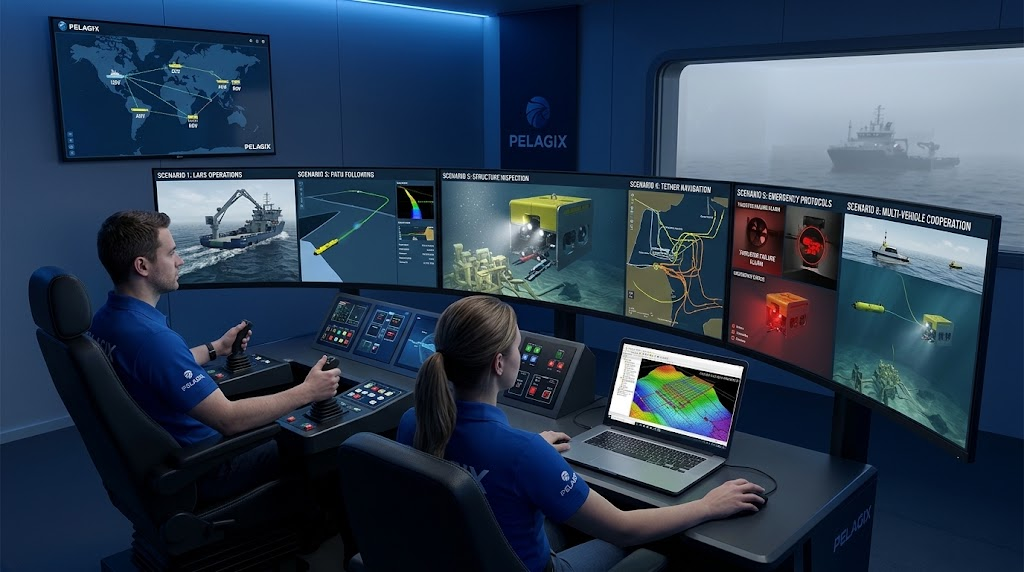
Deploying underwater robots into the ocean is always exciting, but it also carries real risks. Chartering offshore vessels costs a lot of money every single day. In addition, rough ocean waves and deep currents can easily damage expensive equipment. Because of these challenges, teams must prepare thoroughly long before they reach the launch dock. Fortunately, virtual testing allows pilots and engineers to practice safely on land.
Before sending gear deep underwater, operators rely heavily on modern software tools. A well-designed ROV simulator training program lets pilots practice tricky maneuvers and handle surprise emergencies without any risk. At the same time, using realistic underwater robot simulation platforms helps engineers test vehicle physics and sensor reactions under harsh subsea conditions. In this guide, we will look at six essential training scenarios every team should run before conducting live sea trials.
Scenario 1: Launch and Recovery Operations
Launching a subsea robot from a support ship is often the most dangerous part of a mission. Strong waves and ship movement can cause a vehicle to swing wildly into the vessel hull. Therefore, practicing this step in a virtual space is critical for crew safety.
By using an integrated USV AUV ROV simulator, pilots can practice launch and recovery steps in rough sea conditions. The software mimics real wave action, winch speed, and tether tightness. As a result, crew members can master their timing and cable handling before ever stepping onto a wet deck.
Scenario 2: Autonomous Path Following and Obstacle Avoidance
Navigating near deep-sea structures requires great care and pinpoint precision. Before an autonomous underwater vehicle (AUV) swims near pipelines or oil platforms, its navigation software needs complete testing.
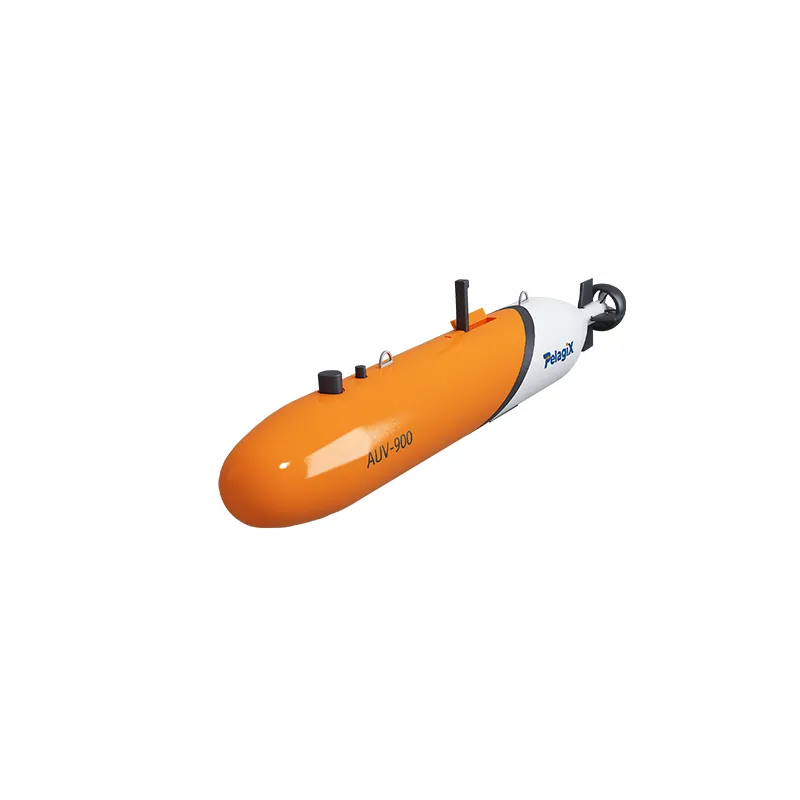
Operators use AUV mission planning software to draw search grids, mark waypoints, and set depth limits. During the test, engineers watch how the vehicle reacts when sonar sensors spot unmapped obstacles, such as fallen debris or old fishing nets. Pelagix builds high-performance subsea solutions that pair seamlessly with planning software, making it easy to transition from virtual planning to real-world navigation.
Scenario 3: Complex Subsea Structure Inspection
Inspecting deep-sea structures like offshore wind turbines or subsea oil valves requires steady hands. Pilots must hover close to huge steel legs in dark water without making contact. A single mistake can destroy camera lenses or disrupt sonar feeds.
Through realistic AUV ROV simulation exercises, pilots practice holding still in tight spaces. The simulator reproduces thruster response, water drag, and live video streams. Consequently, pilots learn to fly using only sonar and camera screens, which prepares them to collect clean inspection data during live ocean runs.
Scenario 4: Tether Management and Flow-Line Navigation
For tethered subsea robots, keeping cables clear is a constant challenge. Long umbilical cables can snag on sharp underwater structures. Furthermore, strong deep-sea currents can create heavy cable drag that pulls the machine off its intended course.
Using a dedicated ROV simulator training program helps pilots master cable control under changing water currents. In the virtual environment, operators practice flying around underwater pipelines without tangling the tether. They learn how to read cable tension, control winch speeds, and adjust thruster power to keep the vehicle steady.
Scenario 5: Emergency Protocols and System Failures
In the deep ocean, equipment problems will eventually happen. Thrusters can clog, control signals can drop, and water sensors can trigger alarms. How a pilot or software program reacts in the first few seconds determines whether the robot makes it back safely.
Running an underwater robot simulation with surprise hardware faults allows teams to practice emergency drills safely. Instructors can remotely turn off thrusters, trigger water leak warnings, or cut communication links. Pilots then practice switching to manual control, dropping emergency weights, or starting auto-return modes.Pelagix designs subsea systems with built-in safety features, making sure vehicles can recover smoothly when real problems arise.
Scenario 6: Multi-Vehicle Cooperative Operations
Modern marine missions increasingly rely on several robotic platforms working as a team. For example, an uncrewed surface vessel (USV) might stay on the surface to send satellite signals. Below the surface, an AUV gathers mapping data while a tethered robot conducts physical repairs.
By using a multi-vehicle USV AUV ROV simulator, operators can test communication links and shared workflows between surface and deep-sea units. The team practices tracking vehicle positions through acoustic modems, updating route plans mid-dive, and coordinating group tasks. In the end, this smooth teamwork ensures that surface and subsea machines work together without delays during real trials.
Conclusion
Conducting thorough virtual tests is the safest and smartest way to protect subsea equipment. From testing path logic in AUV mission planning software to mastering high-stakes AUV ROV simulation exercises, virtual practice removes costly mistakes before you hit the water. Investing time in complete simulation workflows builds a safer, faster, and far more reliable subsea operation


