What Are ROVs Used For? Exploring Subsea Applications
News Details
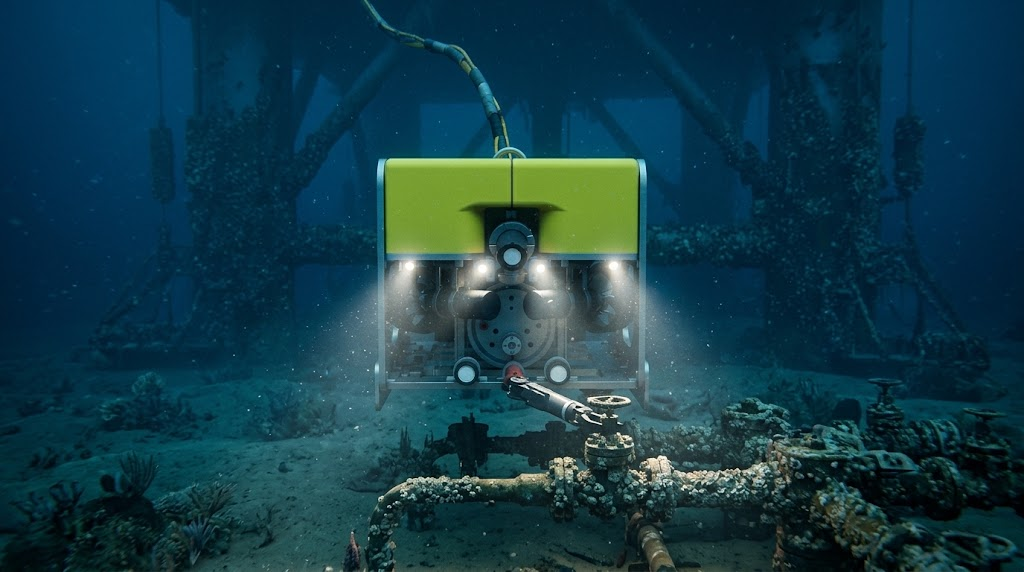
Oceans cover most of our planet, yet they remain largely hidden from human eyes. For many years, exploring deep waters was dangerous and costly. Today, advanced technology allows us to safely study and work beneath the waves. One of the most important tools in this field is theROV..
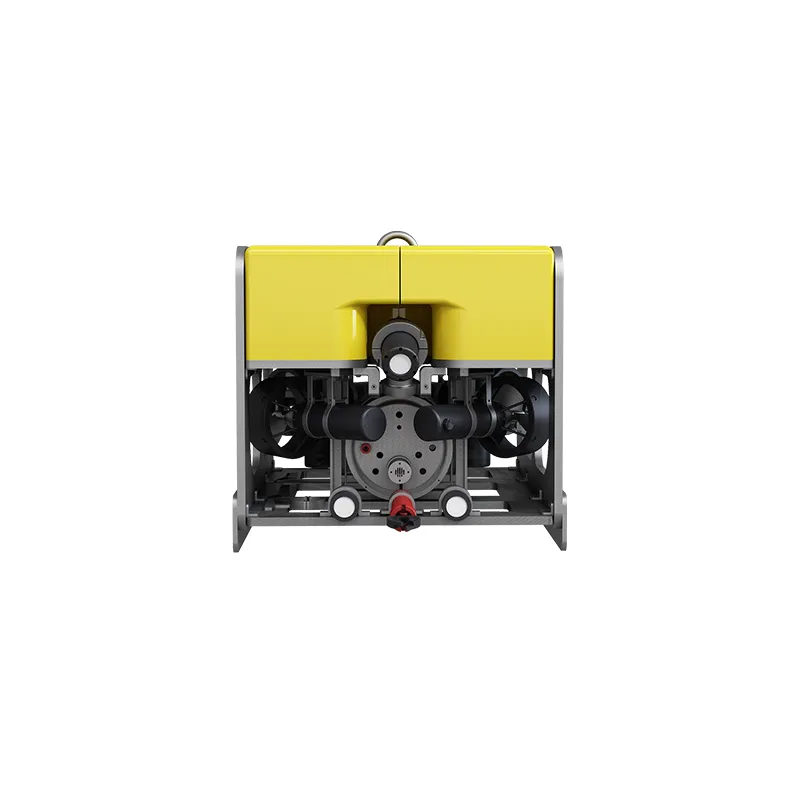
People often ask what these smart machines do and why they matter. A ROV helps humans reach deep depths without putting divers at risk. By using a ROV (Remotely Operated Vehicle), industries can perform complex tasks with high precision. From deep-sea science to energy production, these robots play a vital role. In this article, we will look closely at what these machines do and how they change modern ocean work.
Understanding the Basics of Subsea Robots
A ROV is an unoccupied machine that stays connected to a ship or land base by a tether. This tether supplies power, video feeds, and control signals. Operators on the surface guide the machine using joysticks and computer screens.
Unlike human divers, a ROV (Remotely Operated Vehicle) can stay underwater for days at a time. It can handle extreme water pressures and cold temperatures that humans cannot survive. Because of these benefits, engineers and scientists rely on them for heavy tasks. Pelagix designs advanced subsea systems that offer high stability and powerful thrusters to handle harsh marine environments.
Performing Routine and Advanced Underwater Inspection
One of the most common uses for these subsea robots is checking marine infrastructure. AnROV underwater inspectionallows experts to check the health of bridges, dams, and ship hulls without risking human safety.
Underwater pipelines carry oil, gas, and water across vast distances. Over time, these lines can suffer from wear, rust, or blockages.AROVcan glide along the ocean floor to check these pipes closely. It uses high-definition cameras and sonar sensors to spot tiny cracks or leaks before they turn into major problems.This regular check helps prevent costly spills and keeps operations running smoothly.
Executing Complex Subsea Remedial Work
Beyond simple checks, these smart machines can also perform heavy physical tasks. When a structure breaks underwater, fixing it is very difficult. This is where a ROV for subsea remedial work becomes essential.
Equipped with robotic arms and specialized tools, a ROV can cut cables, clean marine growth, and turn valves. If a part on an offshore oil rig breaks, the robot can help replace it. Pelagix builds heavy-duty systems that provide the payload capacity needed to carry these heavy tools deep beneath the sea. This capability saves companies time and money while keeping dangerous repair jobs away from human divers.
Supporting Science and Marine Research
Subsea robots are not only used for industry; they also help scientists learn more about our oceans. Researchers use aROVto map the seabed, discover new marine species, and study deep-sea coral reefs.
Because these machines can go to the deepest parts of the ocean, they give us a clear view of places we could never reach before. They collect water samples, measure temperature, and record rare sea life. Every successful dive brings new knowledge about our planet's largest ecosystem.
Conclusion
The uses for subsea robots are growing every single day. From a routine ROV underwater inspection to a complex ROV for subsea remedial work, these machines change how we interact with the ocean. A reliable ROV offers safety, speed, and accuracy for many different tasks. As technology improves, a ROVwill keep pushing the limits of what we can achieve below the surface.


