What Are ROVs Used For? A Guide to Underwater Applications
News Details
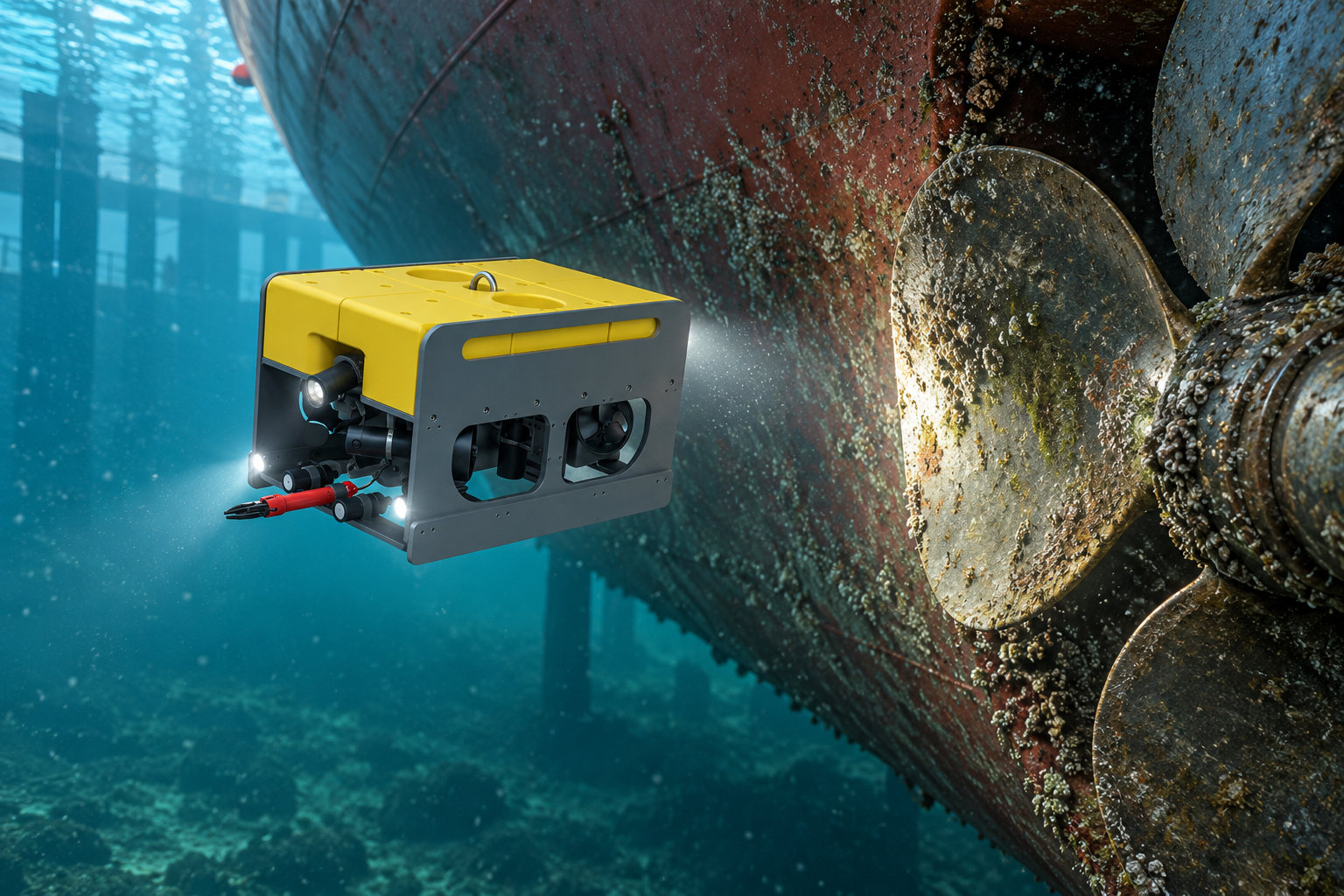
From inspecting dams to exploring the seabed, ROVs help teams see and work beneath the water’s surface. These remotely controlled vehicles can carry cameras, lights, sensors and tools into areas that are difficult for people to reach.
A remotely operated underwater vehicle is useful when a project calls for a close look at underwater equipment, structures or marine environments. Its pilot stays at the surface and controls the vehicle in real time.
So, what are ROVs used for, and how do they support underwater work? Let’s explore their main applications.
What Is an ROV?
An ROV, or remotely operated vehicle, is an unmanned underwater robot controlled from a surface station. A tether connects it to the surface and carries control and data signals. Depending on the system, the tether can also supply power.
The pilot uses live video and other data to guide the vehicle. Meanwhile, onboard thrusters help it move and hold position underwater.
You may also see the terms remote operated underwater vehicle or ROV remote operated vehicle used to describe this equipment.
Underwater Inspection
Underwater inspection is one of the most common uses for ROVs. Cameras and lights allow operators to examine structures without sending a diver into the water for every visual check.
During an ROV underwater inspection, a team can look for visible signs of damage, corrosion, marine growth or sediment buildup. The video can also help engineers document the condition of an asset and plan further work.
Common inspection sites include:
- Dam walls, gates and water intakes
- Pipelines and underwater cables
- Bridge foundations and harbor structures
- Offshore platforms and wind turbine foundations
- Ship hulls and other submerged equipment
For example, an ROV can approach a dam intake and send live images to the surface. If the team finds an area of concern, the pilot can move closer for a more detailed view.
Pipeline and Cable Surveys
Pipelines and cables can run across long stretches of seabed, where damage or movement may be hard to spot from the surface.
An ROV can follow an accessible section and provide a close view of its condition. Operators can look for exposed sections, visible damage, debris or changes in the surrounding seabed. The findings can then help the team decide whether further inspection or maintenance is needed.
However, the area an ROV can cover depends on its tether, deployment method and site conditions. For larger surveys, teams may also use other equipment, such as autonomous underwater vehicles.
Subsea Remedial Work
Some ROVs do more than observe. With suitable tools, they can support subsea remedial work—work carried out to address a problem found underwater.
Depending on its design and equipment, an ROV may help operators remove small obstructions, handle objects or support light maintenance. A robotic arm, for example, can allow the pilot to interact with an object while watching the task on screen.
The right ROV for subsea remedial work depends on the job. A light intervention may need a compact vehicle and a small manipulator. More demanding work may call for a larger system with greater thrust, payload capacity and specialized tools.
Before selecting a vehicle, teams should confirm that its tools, power supply and handling equipment are suitable for the task.
Marine Research and Environmental Monitoring
Researchers use ROVs to observe marine life and underwater habitats in real time. A camera can show scientists areas they may not otherwise be able to visit, while the pilot adjusts the vehicle’s position to follow their instructions.
Depending on the sensors installed, an ROV can also support environmental monitoring. For example, a team may use it to observe seabed conditions or collect measurements at selected locations.
ROVs are useful for returning to a particular point of interest. Scientists can first identify a site during a broader survey and then use an ROV to examine it more closely.
Offshore Energy Inspection
Offshore energy structures face currents, waves, corrosion and marine growth throughout their working lives. As a result, regular underwater checks are an important part of maintenance planning.
ROVs can help teams inspect accessible parts of offshore platforms, wind turbine foundations and related infrastructure. Live video gives operators a close view of the structure, while recorded images can support reports and future comparisons.
If a problem is found, the team can use the inspection results to plan the next step, such as a closer survey or repair.
Search and Recovery Support
ROVs can help search teams locate and identify objects underwater. Depending on the vehicle and equipment, operators may use cameras or sonar to examine an area and investigate targets.
Once an object is found, the ROV can provide a closer view to help the team assess its position and condition. Some vehicles can also carry tools for light handling tasks. Larger or heavier recovery work requires suitable equipment and a separate recovery plan.
What Are the Benefits of Using an ROV?
An ROV gives operators a direct view of an underwater site while they remain at the surface. This can reduce the need to place divers in the water for certain tasks.
Other benefits include:
- Live observation: Teams can view the site and adjust the mission as it happens.
- Flexible equipment: Cameras, sonar and tools can be selected to suit the task and vehicle.
- Recorded evidence: Images and video can support inspection records and maintenance decisions.
- Access to difficult areas: An appropriately sized ROV may reach locations that are hard to inspect from the surface.
Even so, every mission needs careful planning. Visibility, currents, depth, tether access and the space available for launch and recovery can all affect the result.
How Do You Choose the Right ROV?
Start with the work you need to perform. A visual survey may need a different vehicle and payload from a task that involves handling equipment underwater.
Consider these factors:
- Operating depth: Choose a vehicle and accessories rated for the planned depth.
- Payload capacity: Check the weight and size of the cameras, sensors or tools required.
- Water conditions: Consider visibility, currents and possible obstructions.
- Task requirements: Decide whether the mission needs observation, measurement or physical intervention.
- Deployment: Check the available space, tether needs and launch and recovery arrangements.
It is also helpful to share details of the site and intended task with the supplier before choosing a configuration.
PELAGIX ROV Solutions for Underwater Work
PELAGIX develops underwater vehicles for marine research, inspection and subsea operations. Its ROV range includes two models rated for operations down to 300 meters:
- ROV-050: Designed for subsea inspection, environmental monitoring and light pipeline maintenance, with a stated payload capacity of 15 kg.
- ROV-100: Designed for applications including oceanographic research, dam inspection and subsea operations, with a stated payload capacity of 30 kg.
Both models feature a six-thruster layout. Their listed sensor and tool payloads include cameras, lights, a robotic arm and forward-looking sonar. The suitable configuration depends on the mission and should be confirmed with PELAGIX.
Find the Right ROV for Your Project
ROVs support many kinds of underwater work, from routine visual checks to research and light intervention. The best choice depends on where the vehicle will operate, what it needs to carry and what the team needs to accomplish.
Looking for a remotely operated underwater vehicle for your next project? Contact PELAGIX to discuss your operating depth, application and equipment requirements.


