Underwater Docking Stations for Long-Endurance AUV Operations
News Details
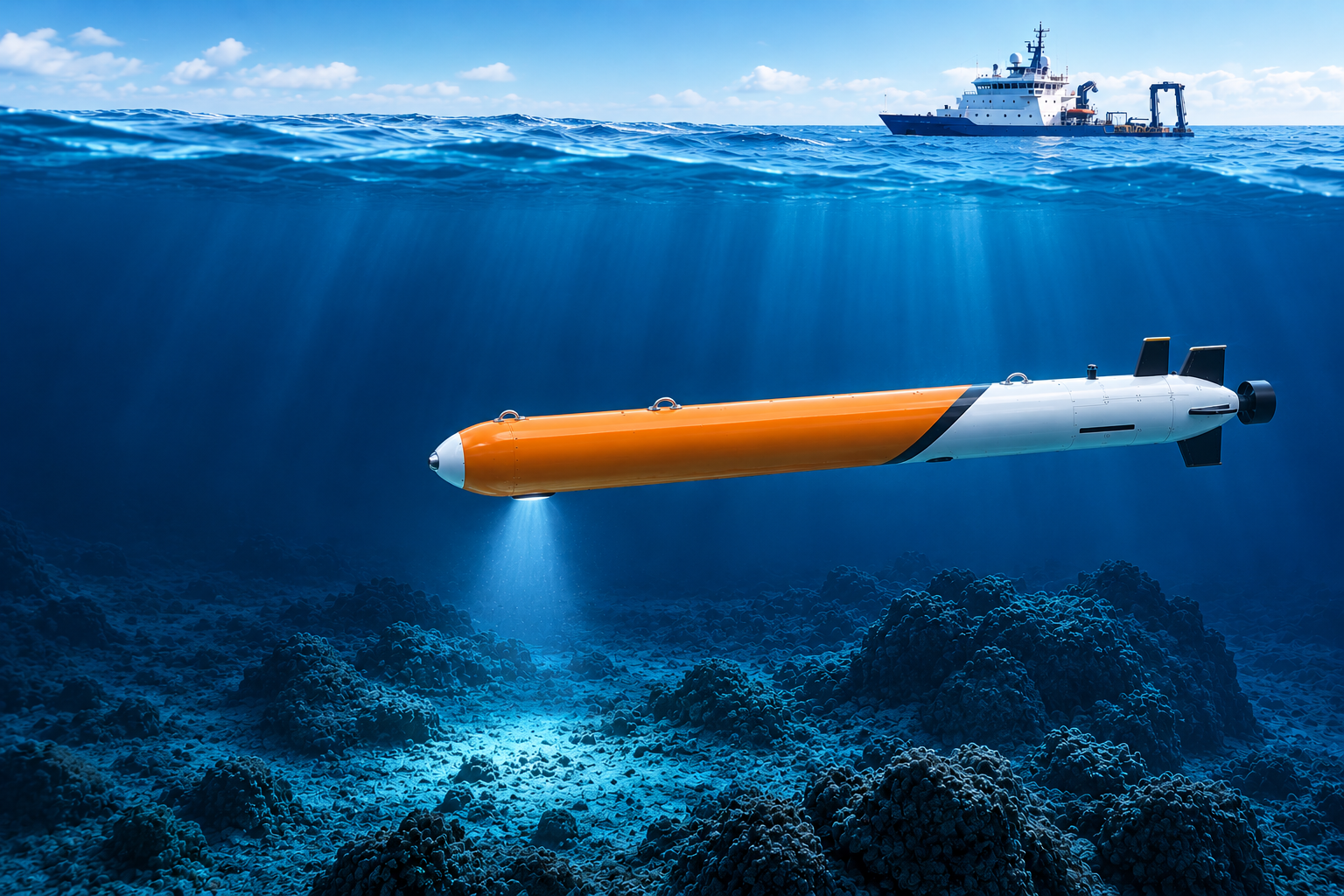
Long-endurance AUV operations are changing how teams collect data under the sea. Instead of returning to the surface after each task, an AUV can dock underwater, recharge, transfer data, and prepare for the next mission.
For marine research teams, offshore energy operators, port managers, and underwater inspection companies, this can save time and reduce surface support needs. More importantly, it helps create a steady workflow for long-term ocean monitoring, seabed mapping, and underwater infrastructure checks.
PALEGIX develops advanced AUV and ROV solutions for civil underwater applications. For buyers planning longer missions, an underwater AUV docking station can become a key part of the whole system.
What Is an Underwater AUV Docking Station?
An underwater AUV docking station is a fixed or semi-fixed base placed below the surface. It gives the AUV a place to return after a mission.
Once the AUV reaches the station, the system can support charging, data transfer, health checks, and mission updates. As a result, the vehicle can spend more time working underwater and less time waiting for recovery and launch.
In simple terms, the docking station works like an underwater service point. It helps the AUV stay ready for repeated tasks, especially in remote or hard-to-reach sites.
Why Long-Endurance AUV Operations Need Docking
AUVs are built for autonomous underwater work. However, battery life, data storage, and recovery time can limit their use in long projects.
A docking system helps solve these limits. First, it allows the AUV to recharge without being lifted out of the water. Next, it supports underwater data transfer, so teams can receive key mission data faster. Also, it can help reduce vessel time and labor needs.
This is useful for long-term marine environment monitoring, seabed mapping, offshore wind foundation inspection, subsea cable route surveys, and underwater structure checks.
Because the AUV can return to the same base many times, teams can build a more stable and repeatable operation plan.
Key Parts of an AUV Docking System
A complete AUV docking system may include several parts. The exact setup depends on the AUV model, water depth, site conditions, and mission plan.
Common parts include:
Guidance and positioning tools to help the AUV find the station.
A docking frame or capture structure to support smooth entry.
A subsea charging station to recharge the AUV battery.
A data link for underwater data transfer.
Control software for mission updates and system checks.
Power and communication links to connect the station with the surface or nearby platform.
Each part must work well with the others. For this reason, buyers should review the docking station as a full system, not only as a single device.
Subsea Charging Station: What Buyers Should Check
A subsea charging station is one of the most important parts of long-endurance AUV work. It must deliver stable power in a safe and reliable way.
Before choosing a system, buyers should check charging speed, connector type, power source, depth rating, and long-term sealing design. They should also ask how the charging process is monitored.
In many projects, reliability matters more than fast charging alone. If the station is placed in deep or remote water, service access may be limited. Therefore, the system should be built for stable use over time.
It is also important to confirm that the charging station fits the AUV battery system. A mismatch can lead to slow charging, added maintenance, or limited mission planning.
Underwater Data Transfer for Better Workflow
Underwater data transfer allows the AUV to send mission data while it is docked. This may include images, sonar data, seabed maps, water quality readings, or system logs.
This feature helps teams make faster decisions. For example, after a seabed survey, operators can review the data and adjust the next mission plan. After an inspection, they can check whether more images or measurements are needed.
In addition, underwater data transfer reduces the need to recover the AUV only to download files. This saves time, especially when the operation area is far from shore.
For B2B buyers, the main points to check are data speed, file type support, connection stability, and software compatibility.
Docking Accuracy and Guidance
AUV docking requires accurate guidance. The vehicle must locate the station, approach it at the right angle, and enter safely.
Different systems may use acoustic guidance, optical guidance, sonar, markers, or a mix of methods. The best choice depends on water clarity, current, depth, and the shape of the work site.
For clear water, vision-based guidance can be useful. In low-visibility water, acoustic or sonar-based support may be needed. In many real projects, a combined method gives better results.
Buyers should ask how the docking system performs in changing water conditions. They should also ask about failed-docking handling, retry logic, and operator alerts.
Civil Applications for AUV Docking Systems
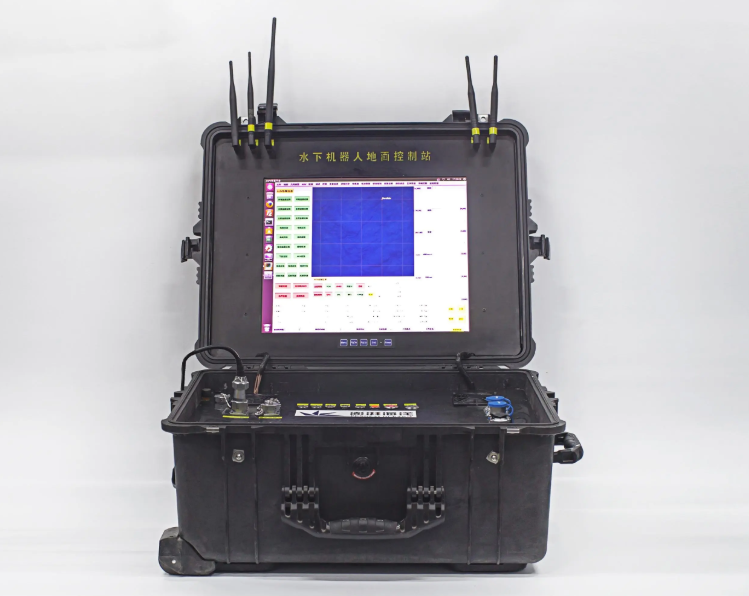
An underwater AUV docking station can support many civil marine tasks. It is especially valuable when teams need frequent or repeated data collection.
Typical applications include:
Marine environment monitoring, such as water temperature, salinity, currents, and ecological data.
Seabed mapping for route planning, construction support, and scientific study.
Offshore wind site inspection, including foundation and cable area checks.
Subsea pipeline and cable route inspection.
Port and channel operation support.
Reservoir, lake, and dam structure checks.
Deep-sea scientific research and long-term observation.
These applications all benefit from longer working time, repeatable routes, and faster access to data.
How to Select the Right Underwater AUV Docking Station
Before buying, start with the mission profile. This gives the supplier a clear view of what the system must do.
Important questions include:
What AUV model will use the docking station?
What is the working depth?
How often does the AUV need to dock?
How much data must be transferred after each mission?
What charging time is acceptable?
Will the station be fixed, mobile, or placed near an offshore platform?
What are the water clarity, current, and seabed conditions?
What sensors or payloads will the AUV carry?
With these details, PALEGIX can help match the AUV docking system with the right charging, data, and guidance design.
Why System Integration Matters
A docking station is not just an accessory. It must connect with the AUV, software, mission planning tools, power supply, and data workflow.
If these parts are not planned together, the system may work in a test setting but struggle in real field use. For example, the AUV may dock well in calm water but need stronger guidance in a busy port or deeper survey area.
Therefore, buyers should work with a supplier that understands both vehicle design and full-system integration. PALEGIX supports AUV platforms, underwater control technology, modular payload planning, and engineering services for marine projects.
This helps buyers reduce risk and build a system that fits real operating needs.
Plan Long-Endurance AUV Operations With PALEGIX
Long-endurance AUV operations depend on more than battery size. They need a well-matched underwater AUV docking station, a reliable subsea charging station, and stable underwater data transfer.
With the right setup, teams can run longer missions, collect better data, and reduce repeated launch and recovery work. This can improve project efficiency in marine research, seabed mapping, underwater inspection, and offshore energy support.
PALEGIX provides AUV solutions for civil underwater applications and can help buyers plan docking, charging, and data workflows based on real project needs. Contact us for more details.


