CTD Sensors and Modular Payloads for Oceanographic Surveys
News Details
Oceanographic surveys need clear, stable, and trusted data. For this reason, the right sensors matter as much as the AUV itself. A conductivity temperature depth sensor, often called a CTD sensor, is one of the most useful tools for marine data work.
When paired with a flexible AUV payload design, CTD sensors help teams collect key water data across lakes, coastal zones, deep-sea areas, and research sites. PALEGIX supports AUV and ROV systems for marine surveys, seabed mapping, environmental monitoring, and scientific research.
What Is a Conductivity Temperature Depth Sensor?
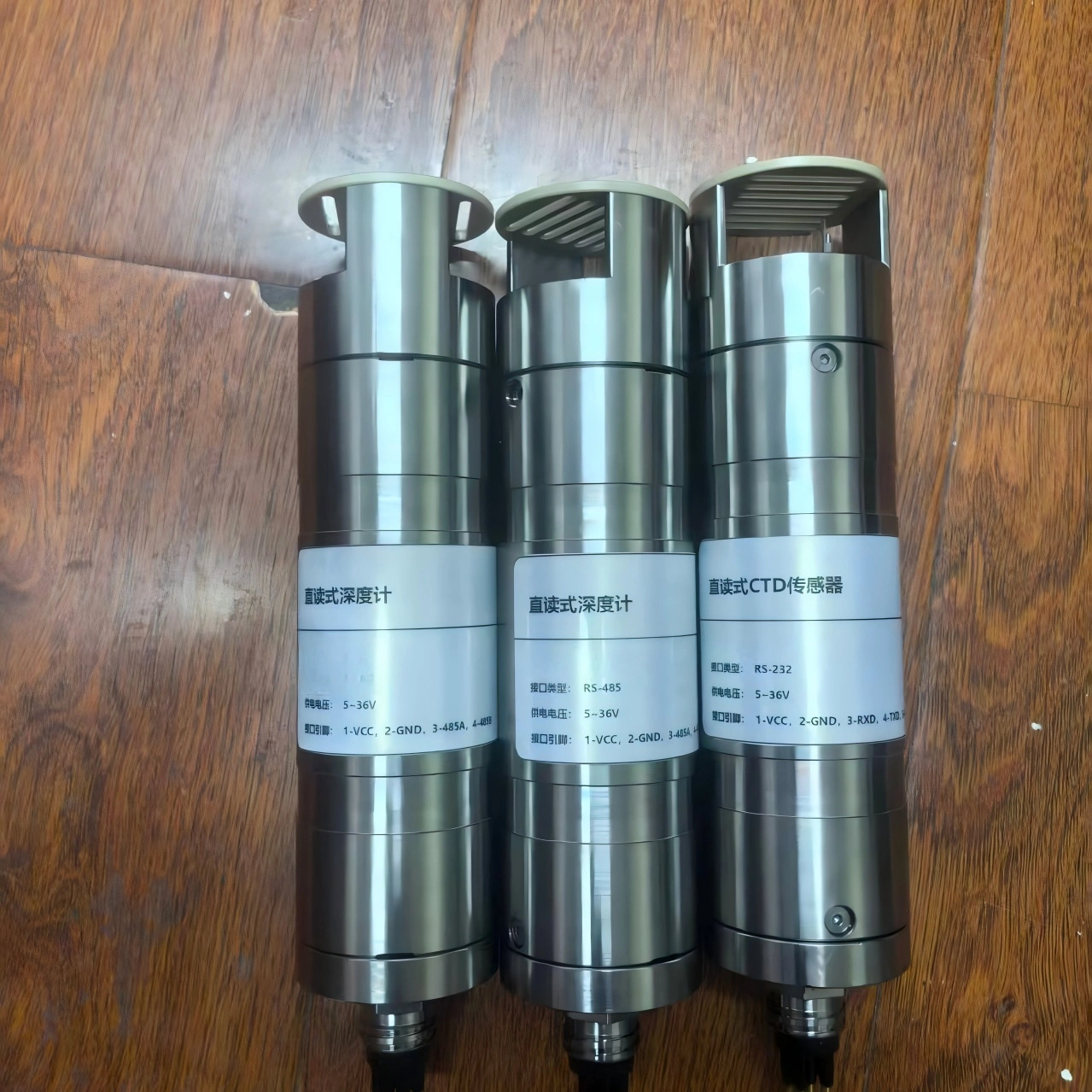
A conductivity temperature depth sensor measures three key water values.
Conductivity helps estimate salinity. Temperature shows how warm or cold the water is. Depth shows where the reading was taken in the water column.
Together, these values help researchers understand water layers, ocean circulation, density changes, and habitat conditions. Because water conditions can change quickly with depth, a CTD sensor for AUV missions can collect rich data while the vehicle moves through planned routes.
Why CTD Sensors Are Important for AUV Surveys
AUVs are useful because they can travel through the water without a surface cable. As a result, they can cover long routes and collect data in a steady way.
By adding a CTD sensor for AUV work, teams can measure water conditions across large areas. This is helpful for oceanographic research, marine environmental monitoring, offshore energy site studies, reservoir checks, and coastal science projects.
Also, CTD data can support better planning. For example, water temperature and salinity can affect sound speed, sensor readings, and data quality. With CTD results, teams can better understand the full survey area.
The Role of Modular AUV Payload Design
AUV payload design affects what a vehicle can carry and how well it can complete a mission. A modular payload system allows users to add, remove, or change sensors based on each project.
This is important because not every survey needs the same tools. One project may need a CTD sensor and water quality probe. Another may need sonar, cameras, and seabed mapping tools. A modular AUV payload gives teams more freedom.
In addition, modular design can reduce long-term cost. Instead of buying a new vehicle for each job, teams can adjust the payload setup as project needs change.
Common Oceanographic Sensor Options
A CTD is often the core oceanographic sensor, but it can work with many other tools.
Common options include dissolved oxygen sensors, turbidity sensors, pH sensors, chlorophyll sensors, current meters, imaging sonar, side-scan sonar, and underwater cameras.
When these tools are combined, an AUV can collect both water data and seabed data in one mission. Therefore, buyers should think about the full data goal before choosing the sensor package.
A well-matched oceanographic sensor setup helps improve data quality, reduce repeat trips, and make field work more efficient.
How to Choose a CTD Sensor for AUV Use
Not every CTD sensor is ideal for every AUV. Before selecting one, buyers should review several points.
First, check depth rating. The sensor must match the planned operating depth. Next, review accuracy and response speed. Fast and stable readings are important when the AUV is moving.
Also, consider size, weight, power use, data output, and mounting method. A compact sensor may be better for a small AUV, while a larger system may support higher data needs.
Finally, ask how the CTD data will be stored, displayed, and exported. Smooth data handling can save time after the mission.
Matching Sensors With Mission Goals
A strong survey plan starts with a simple question: what data do you need?
For water column studies, CTD data may be the main focus. For seabed mapping, CTD readings may support sonar correction and data review. For marine ecology work, CTD sensors may be combined with oxygen, pH, and chlorophyll sensors.
Because each goal is different, PALEGIX can help buyers plan the right AUV payload setup for their work. This includes sensor choice, mounting layout, power planning, and data connection.
Benefits for B2B Buyers
For research teams, engineering firms, and marine service providers, modular payloads offer clear value.
They make the AUV more flexible. They also help teams respond to new project needs without replacing the full system. In many cases, one AUV platform can support surveys, inspections, mapping, and water data collection by changing the payload.
In addition, a well-planned payload can improve field efficiency. Operators can collect more complete data in fewer missions. This reduces vessel time, labor needs, and project delays.
Key Questions Before Requesting a Solution
Before contacting PALEGIX, prepare the main project details.
What is the planned working depth?
What water data must be collected?
Do you need only CTD data, or other oceanographic sensor data as well?
What AUV payload weight and space are required?
How long should each mission last?
What file formats and data outputs are needed?
Will the system be used in lakes, coastal water, or deep-sea areas?
These details help the technical team recommend a more suitable system.
Build a Better Oceanographic Survey System With PALEGIX
A conductivity temperature depth sensor is a key tool for oceanographic surveys. However, its value grows when it is part of a well-designed AUV payload system.
With modular payload support, teams can adapt their AUV for marine research, environmental monitoring, seabed mapping, and underwater data collection. This makes the vehicle more useful across many civil marine projects.
PALEGIX provides AUV and ROV solutions with modular payload integration for professional underwater work. To discuss a CTD sensor for AUV use or a complete oceanographic sensor package,contact PALEGIX for more details.


