What Are the Pros and Cons of AUVs?
News Details
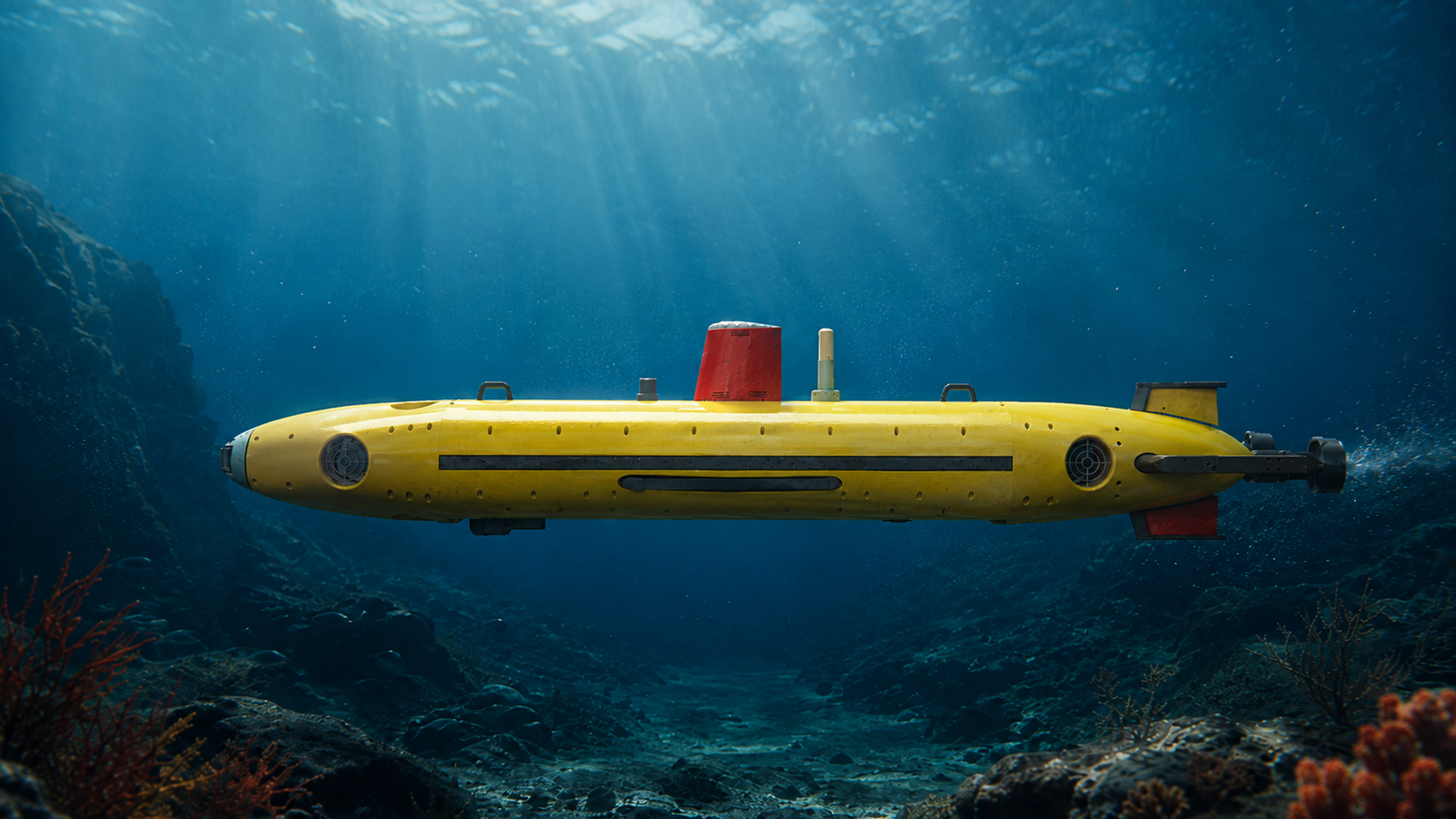
Subsea work is changing fast. Offshore energy companies, marine researchers, and seabed mappers use smart robots to gather data under water. If you are learning about marine technology, you might ask: what is an auv and how does it help your work?
Knowing the good points and limits of these subsea robots helps you pick the right gear for your sea missions. Here is a simple guide to how these vehicles work, where they shine, and where they face challenges.
What Is AUV? Defining Underwater Robots
Before looking at the pros and cons, let us clear up the auv meaning. An autonomous underwater vehicle is a self-powered robot that swims underwater without a cable attached to a surface ship.
When people ask what is auv tech built for, the answer is independent work. Unlike Remotely Operated Vehicles (ROVs) that need a human pilot holding a control cable, an AUV follows a planned path on its own using internal sensors and simple software.
Understanding Basic Subsea Technology
To understand how these vehicles work, it helps to see how they navigate under water. Sound waves travel through deep water much better than radio signals or light. Because of this, subsea robots use sound signals to check their speed, locate underwater structures, and map the sea floor.
At the same time, onboard batteries power the vehicle motors and data sensors. Engineers fit these internal systems inside strong waterproof shells so the robot can handle heavy water pressure deep below the ocean surface.
The Pros of Using Autonomous Underwater Vehicles
Using autonomous underwater vehicles offers clear benefits for modern ocean projects:
-
No Surface Cable: Without a physical cable connecting the robot to a surface ship, the vehicle moves freely. It will not get tangled in rocks, sea life, or underwater pipes.
-
Lower Daily Costs: Traditional ocean surveys need large ships with big crews. Small and medium subsea robots use smaller boats, burn less fuel, and need fewer workers, which saves money.
-
Cleaner Data: Surface waves move surface ships around, but an autonomous underwater vehicle swims smoothly at a fixed height above the sea floor. This steady movement delivers clear sonar pictures and precise seabed maps.
-
Better Safety: Using robots keeps human workers safe on top of the water. Crews launch and recover subsea robots from safe spots without putting human divers into cold or deep water.
-
Large Survey Area: Autonomous robots can travel long paths to map huge areas of the ocean floor in a single trip.
-
Consistent Mission Speed: Robots do not get tired. They follow their programmed path at a steady pace from start to finish.
The Cons of Autonomous Underwater Vehicles
While subsea autonomy helps with many tasks, operators must also plan for a few limits:
-
No Live Control: Without a cable, sending live video or high-speed data up to the surface ship is hard. The robot must make its own decisions based on its original setup.
-
Battery Limits: Power comes from internal batteries. Running heavy lights or high-power sensors drains energy, which limits total swim time before recharging.
-
Rough Sea Handling: High waves and strong surface currents can make putting the robot into the water or pulling it back out tricky.
-
Upfront Equipment Cost: High-grade navigation sensors cost money, so buying a top-tier robot takes a larger initial investment.
-
Payload Limits: Small robots cannot carry heavy tools like mechanical arms or heavy recovery gear.
Comparing Subsea Tools for Your Project
Choosing the best marine gear depends on your daily project goals:
-
AUVs vs. ROVs: ROVs work best for tasks that need human eyes in real time or physical work like turning valves and lifting objects. Subsea robots work best for mapping large areas, taking water samples, and flying long survey paths.
-
AUVs vs. Human Divers: Human divers handle complex repair jobs in shallow water. However, robots dive much deeper, stay down much longer, and work safely in cold or dirty water.
How Smart Subsea Robots Help Your Business
Knowing the pros and cons lets your team pick the right setup for subsea pipes, ocean research, or seabed mapping. Using modern navigation tools, smart power management, and clean survey sensors helps you cut costs while getting better underwater results.
At Pelagix, high-tech subsea tools help ocean teams gather clear data, improve survey safety, and streamline autonomous operations at every depth.


