PelagiX ROV-050 / ROV-100: Portable Observation ROVs for Underwater Inspections to 300 m
The PelagiX ROV series pairs the compact ROV-050 (15 kg payload) with the higher-payload ROV-100 (30 kg payload). Both tethered observation-class ROVs operate to 300 m with six-thruster vector control, camera and sonar payloads, and manipulator options for inspection, survey and light intervention work.
2026/11/12
Reading volume: 4
News Details
ROV Manufacturers: What the Pelagix Tethered ROV Series Offers
Two Models, One Control Philosophy
The ROV-050 and ROV-100 are electric, tether-fed observation-class ROVs designed for underwater inspection and light intervention. They cover the span between portable, confined-space work and heavier survey tasks: the ROV-050 weighs 50 kg with a 15 kg payload capacity, while the ROV-100 weighs 150 kg and carries up to 30 kg of sensors or tooling. Both operate from the surface down to 300 m at speeds up to 3 knots, so a single control philosophy and deck setup can serve both platforms.
| Specification | ROV-050 | ROV-100 |
| Dimensions (L × W × H) | 700 × 450 × 364 mm | 1,000 × 640 × 828 mm |
| Weight in air | 50 kg | 150 kg |
| Max payload | 15 kg | 30 kg |
| Operating depth | 0–300 m | 0–300 m |
| Speed range | 0–3 knots | 0–3 knots |
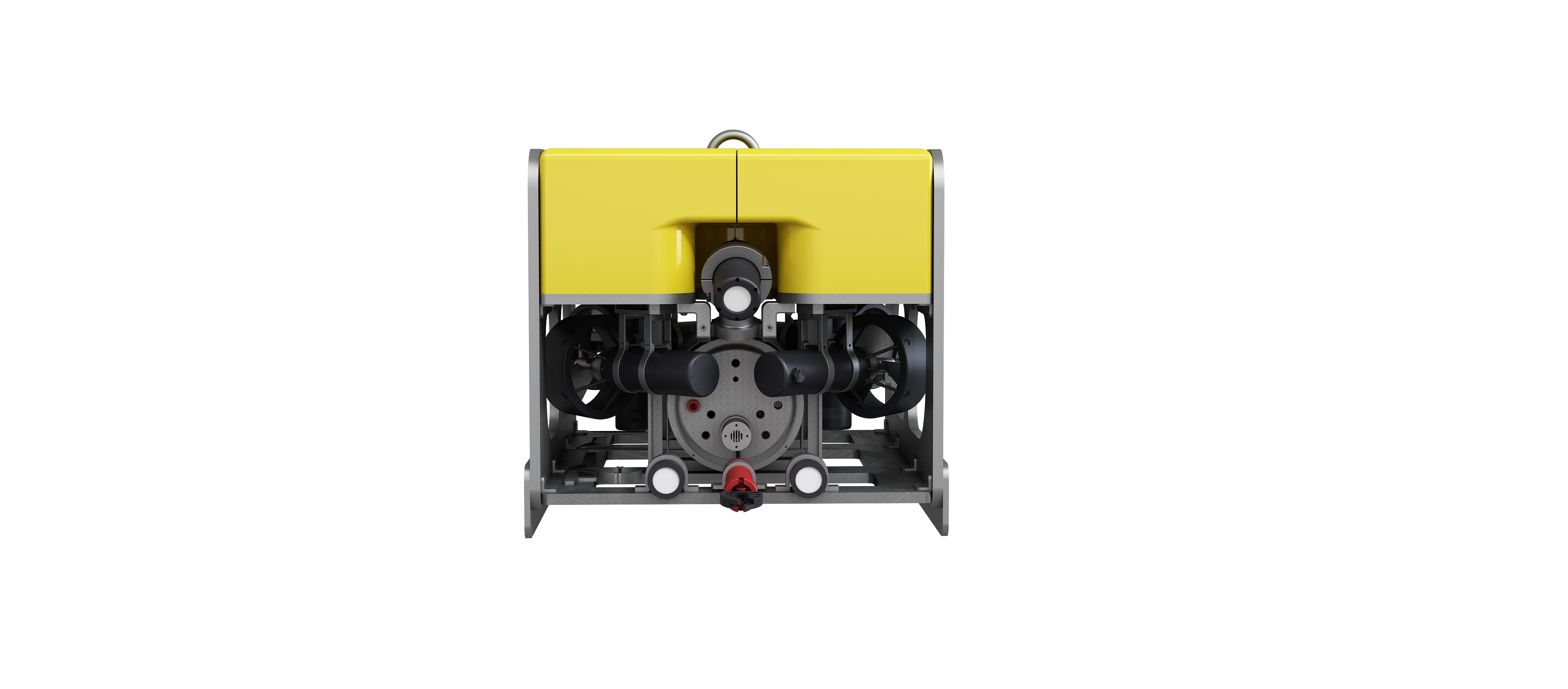
| Propulsion | Six thrusters: four horizontal thrusters in a vector layout plus two vertical thrusters | |
Station-Keeping Control for Inspection Work
Clear video depends less on camera resolution than on how steadily the vehicle holds position. Both ROVs use automatic depth and heading control, so once the pilot sets a target the vehicle maintains it without constant correction. The four horizontal vector thrusters plus two vertical thrusters give the pilot authority in all six directions, which matters when working close to a wind-turbine foundation, a pipeline span or a dam wall where the tether can pull the vehicle off station. Within the 0–3 knot operating envelope, the vehicles are configured to hold station and track a route steadily while the camera and sonar keep recording.
Camera, Sonar and Manipulator Payloads
Each vehicle carries a standard lighting and camera system for visual inspection. For harbors, reservoirs and other low-visibility sites, an optional forward-looking sonar lets the pilot keep working and navigate when the water turns murky. An inertial navigation system supports position-referenced inspection records. When a task goes beyond observation, an ROV with a manipulator arm can collect samples, clear light obstructions and support cutting work: the manipulator option on both models is intended for grabbing and cutting tasks during underwater inspection and maintenance.
A Complete Deck System, Not Just a Vehicle
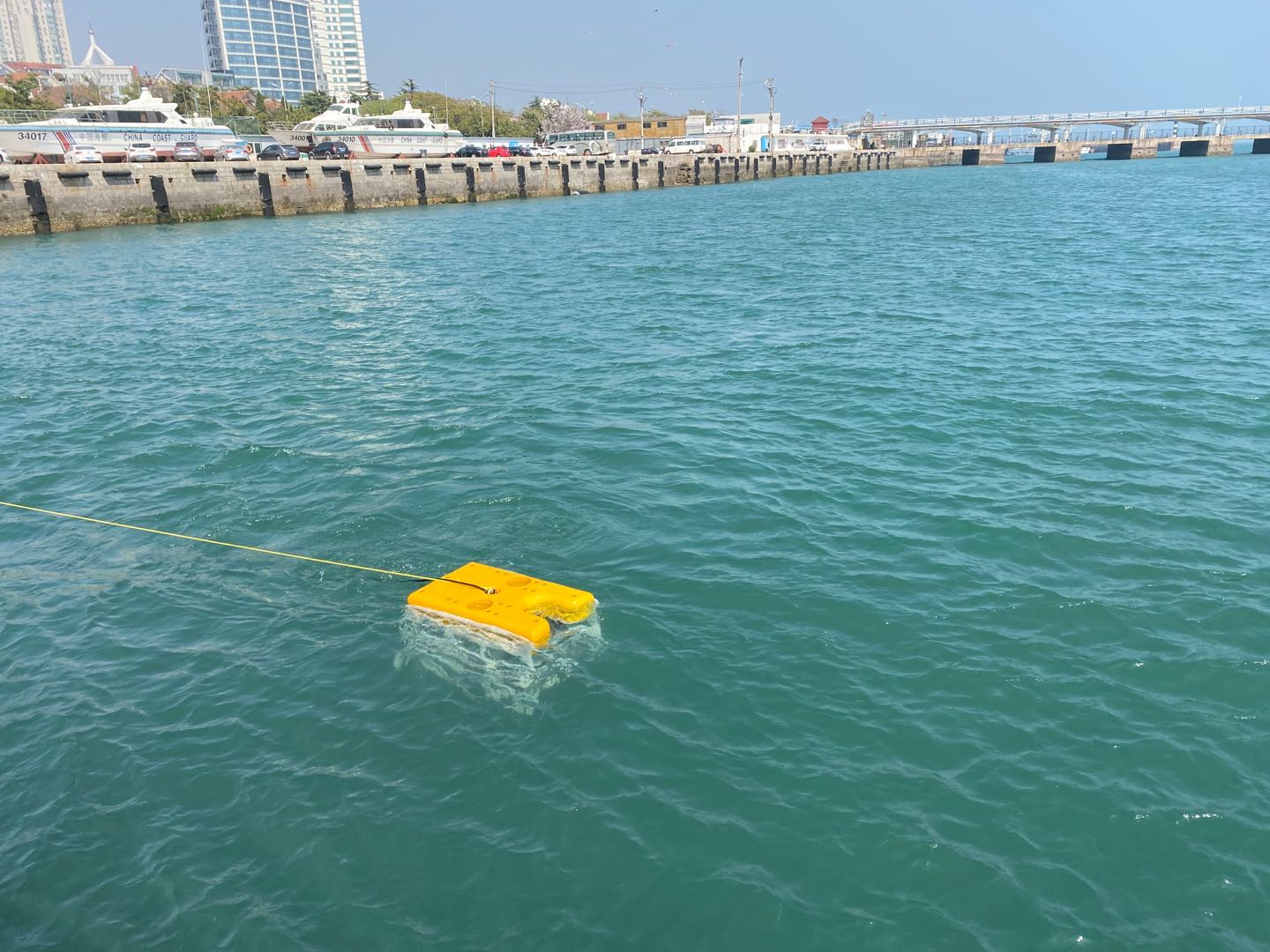
The series is supplied with a dedicated launch-and-recovery setup: an electric winch, a guide-and-termination device, and a 300 m umbilical cable that matches the 300 m depth rating. On deck, a control unit runs the vehicle, and a purpose-built ROV maintenance container keeps spares, cable and tooling organized between campaigns. Because the vehicles draw power from the tether, either the vessel or the shore can supply it, allowing long working sessions without battery swaps — a practical advantage for dam, reservoir and nearshore jobs where a support vessel is not always available.
Where the Series Fits
The two models are configured for civil and industrial marine work, including:
- Offshore wind inspection: foundation, cable-route and structural checks around turbines, an ROV for offshore wind inspection that reduces diver exposure.
- Subsea pipeline inspection: visual and sonar surveys of pipeline routes, fittings and crossings, with the ROV-100 payload headroom for extra survey sensors.
- Dams and hydro infrastructure: dam-wall, intake and reservoir inspections in confined, low-visibility water.
- Aquaculture and fisheries: net, mooring and cage checks for farm operators.
- Search and recovery support: locating and rigging lost equipment in conditions that are unsafe for divers.
- Marine research and seabed survey: observation, sampling and environmental data collection for institutes and survey contractors.
Detailed specifications for each model are available on the ROV-050 product page and the ROV-100 product page.
Availability and Configuration Support
Pelagix supplies the ROV-050 and ROV-100 with OEM, ODM and system-integration support: sensor integration, payload configuration and software customization can be arranged around the buyer's inspection task. Both products are available for international buyers; the full product range, including AUV systems, underwater thrusters and sensors, is listed at pelagix-tech.com. Buyers can contact the company through the website to discuss configuration, delivery and after-sales support for a specific project.
Share to:


