What Is the Biggest Challenge for Autonomous Vehicles in the Ocean?
News Details
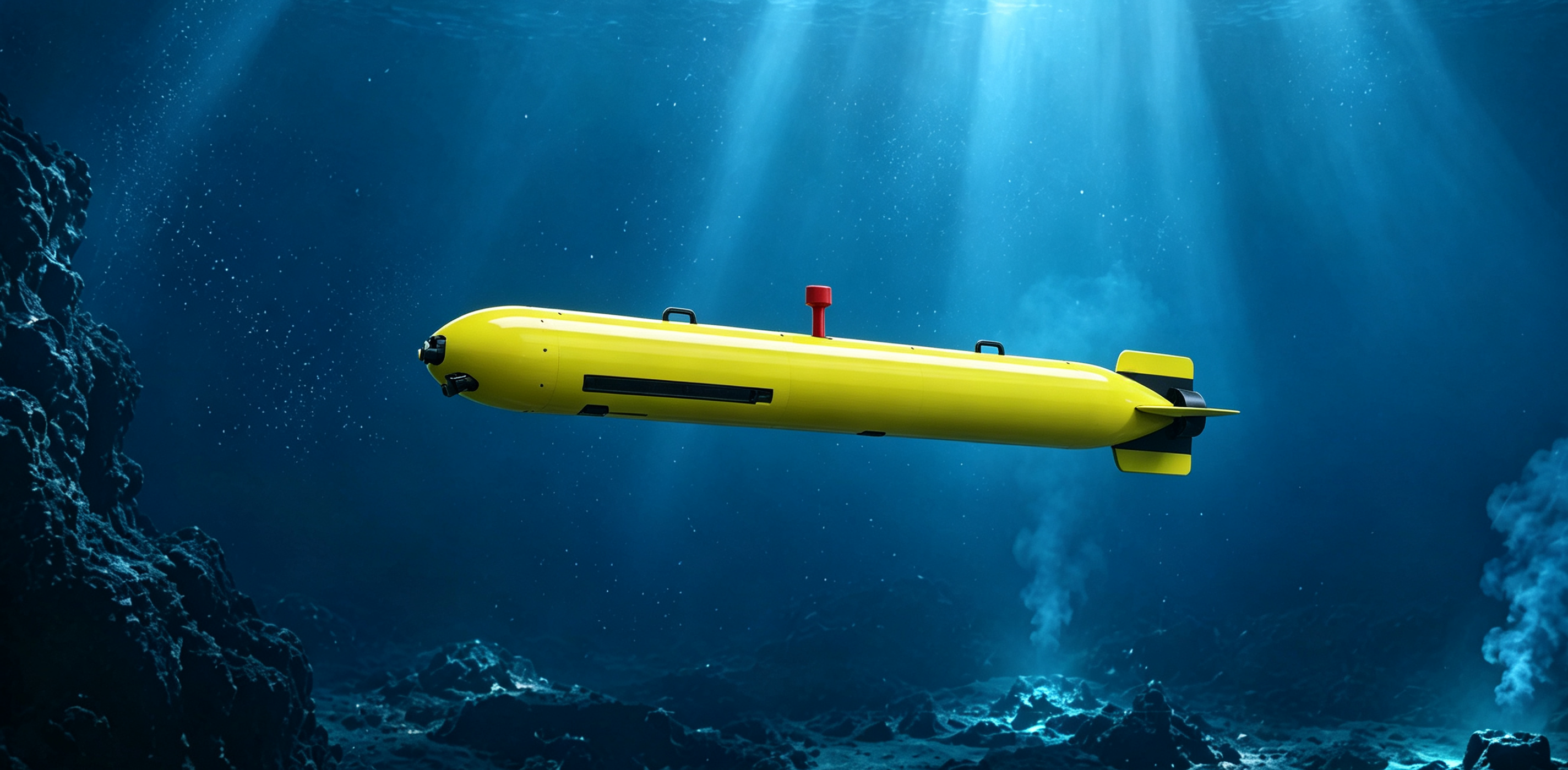
Autonomous technology is rapidly changing how humans explore difficult environments. While self-driving cars on land attract lots of attention, underwater robotic systems face far harsher conditions. Operating deep beneath the sea presents unique engineering hurdles. So, what is the biggest challenge for an autonomous underwater vehicle working in the open ocean?
Unlike land vehicles that rely on satellite signals and clear road lines, an auv autonomous underwater vehicle operates in a dark, high-pressure environment where standard wireless signals fail. Among all the obstacles, underwater navigation and real-time communication remain the single greatest challenge for subsea robotics today.
The Underwater Navigation and Communication Barrier
On land, autonomous cars depend on GPS signals, cellular networks, and cameras to know where they are. However, radio waves and GPS signals cannot penetrate more than a few inches into seawater. Consequently, an underwater autonomous vehicle cannot simply connect to a satellite to check its location.
-
Loss of GPS Signals: Once a subsea robot submerges, standard positioning systems stop working entirely. Therefore, the vehicle must rely on onboard sensors like Doppler Velocity Logs (DVL) and Inertial Navigation Systems (INS).
-
Sensor Drift Over Time: Dead-reckoning tools estimate position based on speed and direction. However, tiny calculation errors add up over long journeys. As a result, the vehicle can drift off course unless surface teams provide periodic position updates.
-
Acoustic Communication Limits: Because radio waves fail in water, subsea systems send data using acoustic sound waves. However, sound travels slowly through water, and acoustic bandwidth is very narrow. Therefore, sending high-definition live video or huge data files back to the surface in real time remains nearly impossible.
Other Major Obstacles Facing Subsea Robotics
While navigation and communication top the list, several other harsh factors complicate ocean deployments for autonomous underwater vehicle companies:
1. Extreme Water Pressure
Ocean pressure increases rapidly with depth. At 3,000 meters below the surface, the pressure is 300 times greater than at sea level. Therefore, engineers must build heavy pressure hulls from titanium or specialized alloys to protect fragile electronics from getting crushed.
2. Limited Battery and Energy Endurance
Surveys often require long mission times. However, running powerful sonar systems, bright light arrays, and thrusters burns battery energy quickly. Balancing vehicle weight with battery capacity is an ongoing engineering struggle for autonomous underwater vehicles.
3. Dynamic Ocean Currents and Low Visibility
Ocean currents can suddenly push small vehicles off track. Furthermore, stirred-up sediment and murky water can blind optical cameras. Therefore, an autonomous underwater vehicles auv platform must rely on acoustic sonar to detect obstacles and avoid collisions in complete darkness.
How PelagiX Solves Complex Ocean Challenges
As a dedicated brand of Sanya Poseidon Ocean Technology Co., Ltd., PelagiX develops advanced marine technology to tackle these exact subsea problems. By focusing on smart software, tough hardware, and reliable surface tracking, PelagiX helps marine crews complete missions with greater confidence and accuracy.
To overcome the tough ocean environment, modern marine systems rely on three vital solutions:
-
Integrated Multi-Sensor Navigation: Combining optical, acoustic, and inertial sensors helps subsea vehicles maintain precise tracking over long distances.
-
Rugged Dock-Based Monitoring: Portable surface stations provide stable multi-channel links to monitor vehicle health and send mission commands in real time.
-
Smart Power Management: Efficient energy routing allows vehicles to save battery power during long transits so they can perform deep-water tasks effectively.
The Future of Subsea Autonomy
Subsea exploration is growing rapidly across offshore energy, ocean research, and environmental protection. Although underwater navigation and communication remain difficult, continuous breakthroughs in acoustic tech and smart sensors are closing the gap.
As modern autonomous underwater vehicle companies introduce smarter, more reliable platforms, exploring the deep sea becomes safer and far more efficient. By choosing robust hardware and integrated monitoring solutions, marine professionals can conquer the toughest ocean challenges and unlock the full potential of underwater discovery.


