How Deep Can AUVs Dive?
News Details
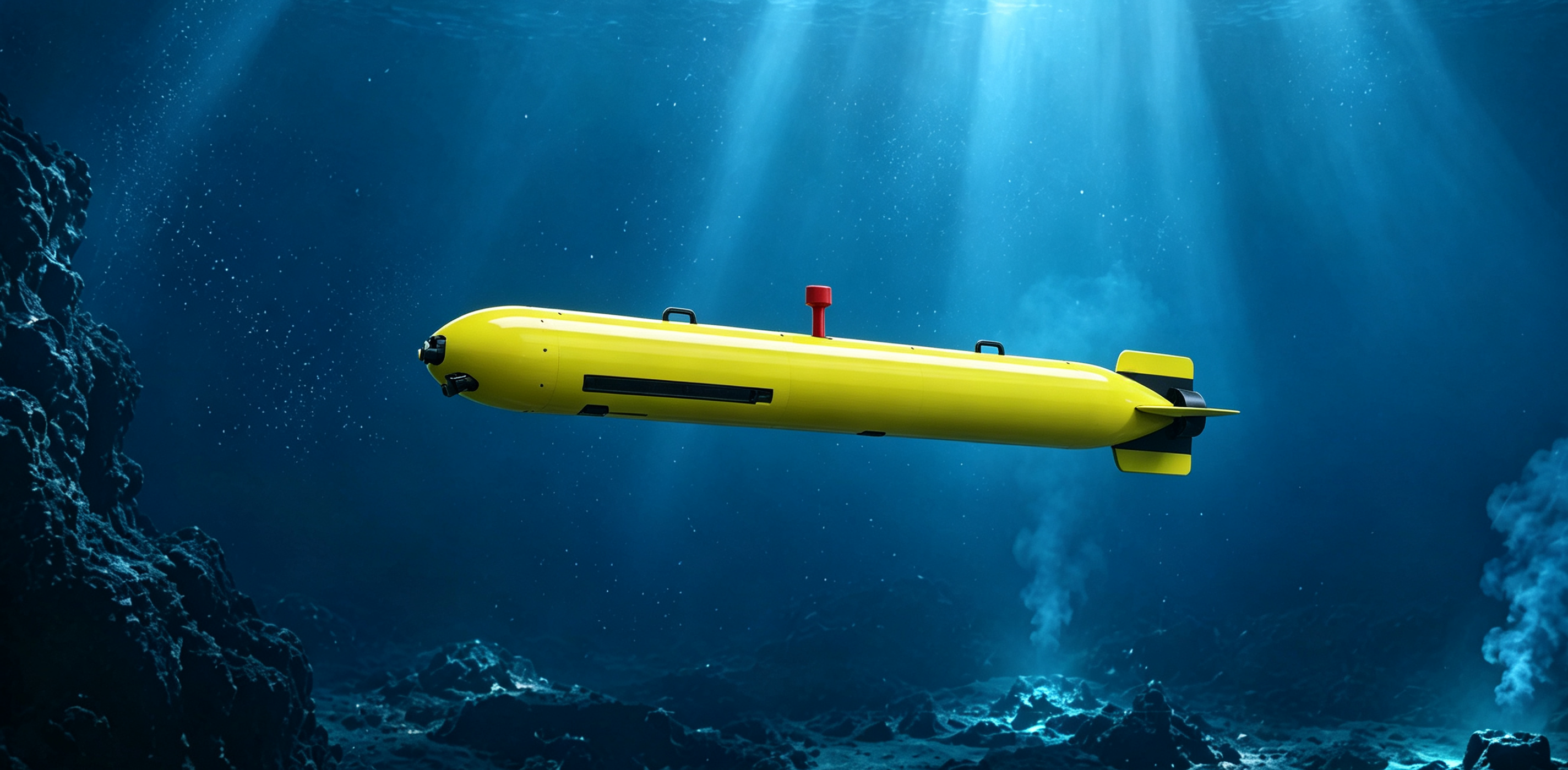
The deep ocean remains one of the final frontiers on Earth. To explore extreme ocean depths, researchers and ocean industries rely on an autonomous underwater vehicle to map the seafloor, inspect pipelines, and gather valuable scientific data. However, many operators wonder: how deep can an auv autonomous underwater vehicleactually dive?
The short answer is that dive depth varies greatly based on hull design, pressure housing materials, and intended mission goals. Shallow systems operate at a few hundred meters, while specialized deep-sea units can reach the deepest trenches on Earth.
Understanding Depth Categories for AUVs
Not every underwater autonomous vehicle is built to withstand extreme water pressure. Instead, manufacturers design different models to suit specific ocean depths and application needs.
-
Shallow Water Models (0 to 300 Meters): These compact systems usually operate in coastal waters, harbors, and shallow continental shelves. Because they encounter lower pressure, they use lightweight plastic or aluminum hulls.
-
Mid-Depth Models (300 to 3,000 Meters): Commercial offshore oil, gas, and renewable energy sectors frequently use these autonomous underwater vehicles for survey work, cable inspections, and environmental monitoring.
-
Deep-Water Models (3,000 to 6,000 Meters): These robust systems can reach over 90% of the ocean floor. Consequently, scientific institutions and commercial survey teams use them for deep-ocean geology and mapping.
-
Full Ocean Depth Models (Up to 11,000 Meters): Ultra-deep vehicles are engineered to dive into deep oceanic trenches, such as the Mariana Trench. These rare machines can endure immense pressures at the very bottom of the sea.
Key Engineering Challenges at Great Depths
Diving thousands of meters below the surface creates severe mechanical and physical challenges. Therefore, leading autonomous underwater vehicle companies must overcome several critical obstacles:
1. Water Pressure Resistance
Water pressure increases by roughly one atmosphere for every 10 meters of depth. At 6,000 meters, pressure reaches an incredible 600 times greater than at sea level. To resist crushing forces, engineers construct pressure housings using thick titanium, synthetic foam, or specialized ceramic materials.
2. Acoustic Communications and Navigation
Radio waves and GPS signals cannot travel through deep water. Therefore, an autonomous underwater vehicles auv platform relies on acoustic signals to track its position and communicate with surface teams. As depth increases, acoustic signals take longer to travel, which requires advanced navigation algorithms on board.
3. Buoyancy and Material Selection
Deep-water systems must maintain neutral buoyancy to save battery power. However, traditional materials compress under extreme pressure, causing the vehicle to lose lift. As a result, deep-sea systems use specialized syntactic foam that withstands huge forces without crushing or absorbing water.
How PelagiX Supports Deep Marine Exploration
As a specialized brand of Sanya Poseidon Ocean Technology Co., Ltd., PelagiX designs advanced marine platforms and monitoring tools built for challenging sea conditions. By combining reliable hardware with intelligent software systems, PelagiX empowers teams to work efficiently across various marine environments.
To help operators achieve reliable deep-water performance, modern engineering focuses on three key factors:
-
Robust Structural Integrity: Using high-strength, pressure-tested housing materials keeps delicate electronics safe during deep deployments.
-
Precise Control Systems: Integrated sensors and intuitive monitoring platforms allow crews to track system performance and positional data in real time.
-
Optimized Power Management: Smart energy distribution enables long-duration deployments even under high-load survey conditions.
The Future of Deep-Ocean Exploration
As subsea technology advances, deep-sea exploration becomes safer and more cost-effective. Today, modern autonomous underwater vehicles allow researchers and marine enterprises to reach extreme depths without risking human lives.
Whether your team conducts shallow harbor surveys or deep seabed mapping, selecting the right platform ensures reliable performance and accurate ocean data. By working with experienced autonomous underwater vehicle companies, marine professionals can safely push the boundaries of underwater discovery.


