How Long Can ROVs Stay Underwater?
News Details
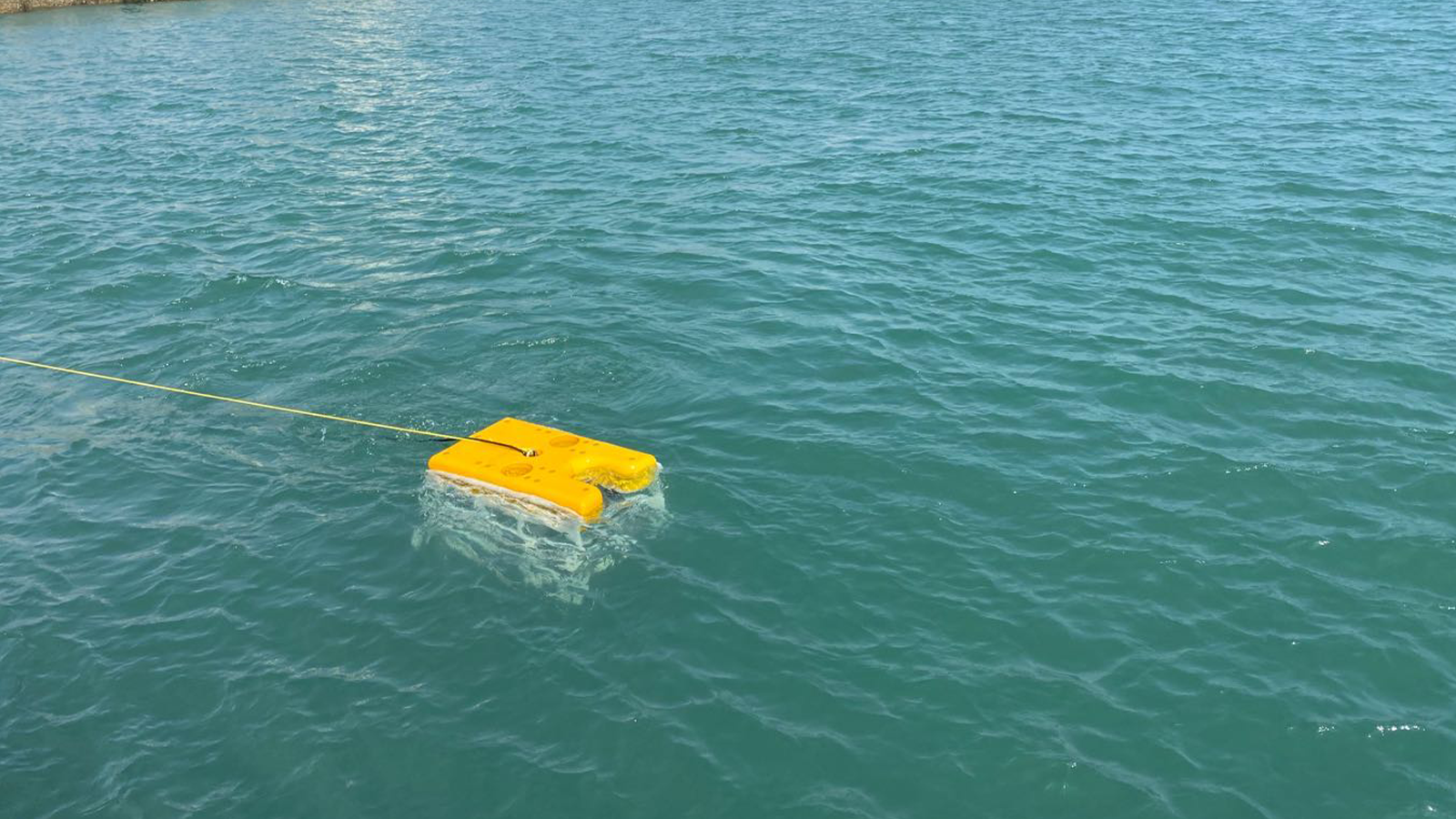
Marine industries, offshore oil platforms, and marine research teams rely heavily on remotely operated vehicles to complete complex tasks underwater. Unlike autonomous systems that run on internal batteries, a remotely operated vehicle remains physically connected to a surface ship or platform through an umbilical tether cable. Because of this structural difference, one common question often arises during ocean project planning: how long can an ROV underwater actually stay submerged?
In theory, a tethered subsea system can stay submerged almost indefinitely. However, real-world operational factors, maintenance needs, and pilot fatigue create practical limits on total ROV dive time. Here is a clear look at how tethered power works and what determines real-world underwater duration.
The Secret to Infinite Power: Tethered Operations
The primary advantage of an underwater ROV duration advantage comes down to how it gets electrical power. While untethered vehicles depend on limited onboard batteries, an ROV receives continuous power from the surface ship.
-
Continuous Surface Power: High-voltage electricity travels directly down the umbilical cable to power the vehicle thrusters, lights, and heavy hydraulic tools.
-
Unlimited Deployment Potential: Because power flows constantly, the vehicle does not need to return to the surface every few hours to recharge batteries.
-
Heavy-Duty Operations: Constant power allows the vehicle to run power-hungry tools, such as heavy-duty robotic arms, high-pressure water jets, and specialized cutting saws, for days at a time.
Practical Factors That Limit ROV Dive Time
Although electrical power is unlimited, an ROV underwater system cannot stay subsea forever. Several practical real-world factors require surface teams to recover the vehicle periodically.
1. Equipment Mechanical Wear and Thermal Limits
Continuous operation creates mechanical stress on moving parts. Thruster seals, hydraulic pumps, and rotating joints experience continuous wear while submerged. Furthermore, extended runs under heavy load can overheat hydraulic fluid or subsea electronics, forcing operators to bring the unit back up for cooling and maintenance.
2. Ocean Weather and Surface Conditions
Even if the subsea robot works perfectly, surface weather conditions can change quickly. Heavy swells, strong surface currents, or high winds make holding the surface support vessel in position difficult. If surface weather turns dangerous, crews must recover the vehicle to prevent damaging the umbilical tether.
3. Crew Rotation and Pilot Fatigue
Operating a complex subsea ROV inspection platform requires high focus and skilled control. ROV pilots work in shifts, typically lasting 12 hours. However, prolonged multi-day operations can drain the crew. Teams often choose to bring the vehicle back to the surface during shift changes or routine deck checks to inspect hardware and switch pilots safely.
4. Marine Growth and Biofouling
During long deployments in shallow or warm waters, marine life begins to attach to the vehicle hull, camera lenses, and sensors. Seaweed, barnacles, and algae can block camera views or clog thruster guards, requiring surface crews to wash down the equipment.
How PelagiX Supports High-Endurance Marine Operations
As a dedicated brand of Sanya Poseidon Ocean Technology Co., Ltd., PelagiX designs robust marine systems, monitoring platforms, and control stations for demanding subsea tasks. By providing clear visual tracking and reliable communication interfaces, PelagiX helps operators maintain safe and steady control during long-duration deployments.
To maximize operational efficiency during prolonged subsea tasks, modern systems rely on three key elements:
-
Real-Time System Monitoring: Visual interfaces allow surface crews to check thruster temperatures, voltage levels, and hydraulic pressure continuously, catching minor wear issues before they cause failures.
-
Rugged Control Interfaces: Durable deck units give pilots intuitive control, reducing operator fatigue during long shifts.
-
Integrated Data Feeds: Clear video and sensor feeds enable faster decision-making, helping teams complete inspection tasks efficiently.
Balancing Endless Power with Safe Operations
So, how long can an ROV underwater platform really stay down? While tethered power allows these robots to stay underwater for weeks, most commercial projects run continuous dives lasting anywhere from 24 hours to 7 days before returning to the deck for quick maintenance.
By balancing continuous surface power with regular mechanical checks, modern marine teams achieve high productivity without risking equipment damage. Working with reliable marine tech providers like PelagiX ensures your subsea operations stay efficient, safe, and fully supported from start to finish.


