How Long Can AUVs Stay Underwater?
News Details
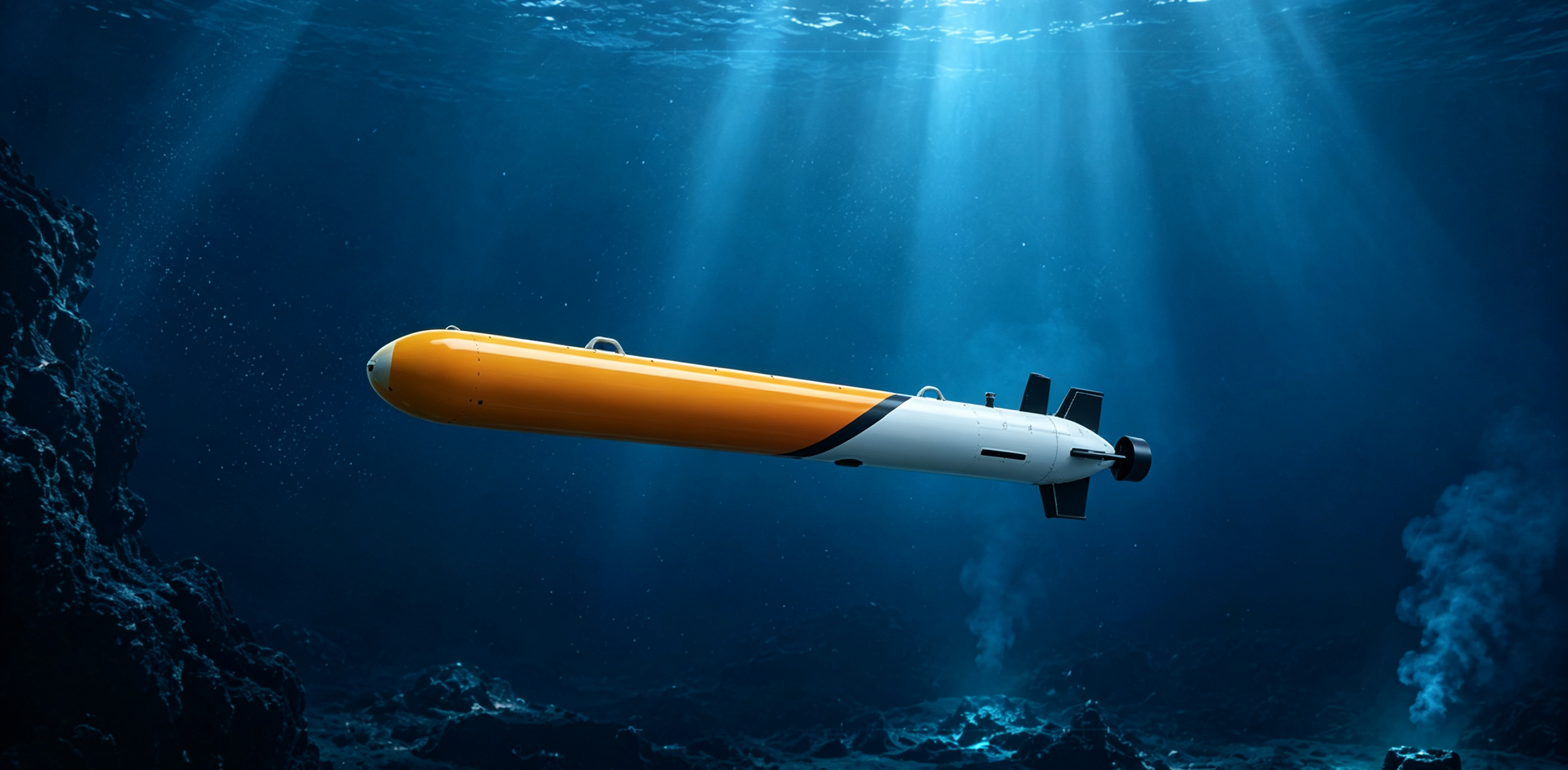
Marine exploration and ocean data collection rely heavily on modern underwater technology. Today, commercial enterprises, offshore energy firms, and research teams frequently use an autonomous underwater vehicle to collect accurate deep-sea data. However, one key question often comes up during mission planning: how long can anauv autonomous underwater vehicleactually stay underwater?
The answer depends on several key factors. Short missions may last just a few hours, while long-duration surveys can extend for weeks or even months. Here is a clear look at what determines underwater endurance and how modern technology keeps these systems working longer.
Average Underwater Endurance for Different AUV Types
Not every underwater autonomous vehicle is built the same way. In fact, dive time varies widely based on size, battery capacity, and mission goals.
-
Small Portable Models: These lightweight units usually stay submerged for 4 to 12 hours. Because they are light and easy to launch from small boats, they work best for short coastal checks and shallow water inspections.
-
Medium Survey Models: Industrial-grade autonomous underwater vehicles generally operate for 24 to 48 hours continuously. These systems carry heavy sonar equipment and mapping tools for medium-range ocean floor mapping.
-
Long-Range and Glider Models: Oceanographic gliders and long-endurance vehicles can remain at sea for several months. Instead of using high-speed propellers all the time, they adjust their internal buoyancy to glide through water currents while using very little power.
Key Factors That Affect Underwater Dive Time
To understand mission duration, operators must look at what drains power during deployment. Several main elements shape overall battery life in the field:
1. Battery Capacity and Power Sources
Battery quality is the primary factor in endurance. Most standard units use high-energy lithium-ion battery packs. However, specialized autonomous underwater vehicle companies are now developing fuel cell technologies and primary battery systems to extend mission times even further.
2. Payload and Instrument Power Consumption
An auv autonomous underwater vehicle carries a wide variety of tools, such as cameras, acoustic sensors, side-scan sonars, and laser scanners. High-power imaging devices drain energy quickly. As a result, turning off heavy sensors when they are not needed helps conserve precious battery life.
3. Ocean Currents and Traveling Speed
Water movement plays a big role in energy consumption. When a vehicle fights strong ocean currents or travels at maximum speed, its motors consume far more power. Traveling at steady, low speeds allows the system to cover longer distances without draining the battery.
HowPelagiX Enhances Marine Survey Endurance
As a brand of Sanya Poseidon Ocean Technology Co., Ltd., PelagiX designs high-performance marine solutions for complex ocean environments. By focusing on smart energy management and streamlined vehicle designs, PelagiX helps operators maximize field efficiency.
To achieve longer deployments, modern engineering focuses on three major improvements:
-
Efficient Hull Designs: Lower water resistance allows the propulsion system to use less power during long transits.
-
Smart Power Distribution: Onboard software automatically shuts down idle sensors during transit phases to save power for critical survey zones.
-
Reliable Docking and Monitoring: Field crews use surface monitoring gear to keep track of power levels and operational status in real time.
The Future of Long-Endurance Ocean Exploration
As technology advances, autonomous underwater vehicles auv continue to break dive time records. Subsea docking stations now allow vehicles to recharge and upload data directly on the ocean floor without returning to a surface vessel. Consequently, teams can collect continuous ocean data with lower labor costs and fewer ship deployments.
Whether you are conducting seabed mapping, marine habitat surveys, or pipeline checks, selecting the right equipment ensures your project stays on schedule. By working with experienced autonomous underwater vehicle companies, marine operators can select the ideal configuration to balance payload needs with longer underwater survival times.


