What Is a ROV Vehicle?
News Details
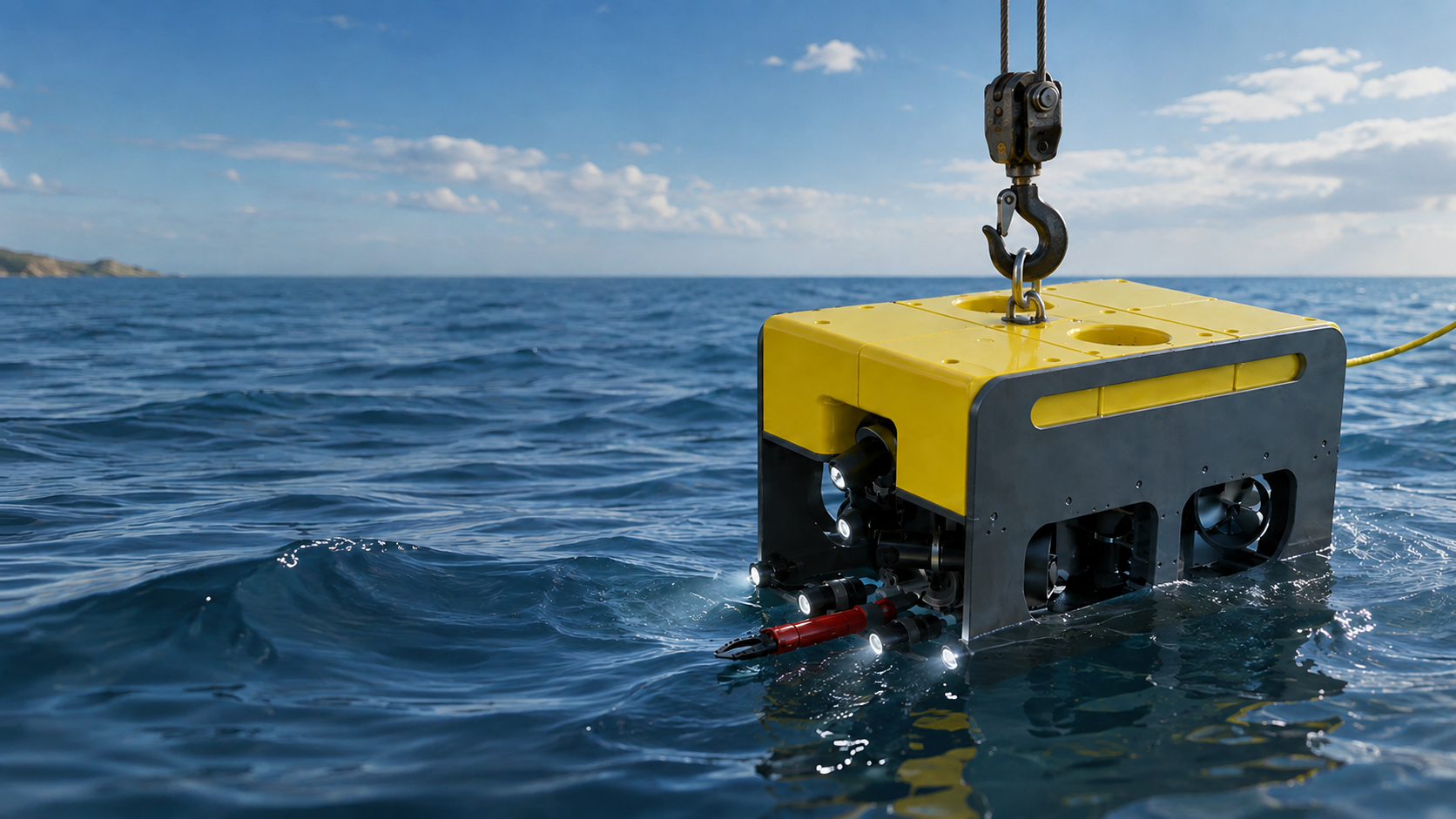
Exploring the deep ocean presents massive challenges for human divers. High pressure, freezing temperatures, and limited oxygen make deep-water tasks dangerous and difficult. To solve these problems, marine industries rely heavily on advanced technology.
A Remotely Operated Vehicle (ROV) serves as an essential tool for underwater exploration, inspection, and maintenance. These highly capable machines allow operators to work safely in deep environments without leaving the surface.
In this guide, you will learn what an ROV is, how it functions, where it is used, and what factors influence its cost.
What Is a Remotely Operated Vehicle (ROV)?
A Remotely Operated Vehicle (ROV) is an unmanned, tethered underwater robot. Unlike traditional submarines, an ROV carries no crew on board. Instead, a pilot operates the system from a surface vessel, platform, or shore control station.
An umbilical cable connects the robot directly to the operator. This cable transfers power, control signals, and real-time video data back and forth. Because of this connection, a remotely operated underwater vehicle can stay underwater for extended periods without needing to surface for air or recharging.
Modern ROVs feature high-definition cameras, LED lights, propulsion thrusters, and specialized sensors. Many units also feature robotic arms or manipulators. These tools allow operators to gather visual footage, take sample measurements, and handle physical objects with precision.
Key Features of an Underwater ROV
While designs vary based on specific job requirements, most systems share core structural features:
-
Robust Frame: Designers build the main chassis using lightweight materials such as aluminum or high-strength plastics to withstand heavy marine use.
-
Thrusters and Propulsion: Multiple electric or hydraulic thrusters provide movement in all directions, allowing the vehicle to hover steadily against ocean currents.
-
Sensors and Navigation: Integrated sonar, compasses, and depth sensors track exact underwater positions even in dark or muddy water.
-
Camera Systems: Ultra-HD cameras send clear images to surface monitors so pilots can clearly see their surroundings.
-
Tether Management: A heavy-duty cable supplies continuous electric power and high-speed data transfer between the ocean floor and the control center.
Main Types of ROV Vehicles
Industries classify these machines by size, capability, and target depth range:
-
Micro or Mini ROVs: Compact and lightweight, mini units weigh under 100 pounds. Operators use them for quick inspections in shallow waters, pipelines, and small tanks.
-
Observation Class: These mid-sized units perform detailed visual inspections, environmental surveys, and light sensor work.
-
Work-Class ROVs: Heavy-duty work machines handle demanding tasks. They carry powerful hydraulic manipulators capable of cutting cables, turning valves, and moving massive structures.
-
Heavy Work-Class: Built for extreme ocean depths, these large systems handle complex subsea construction and deep-sea recovery projects.
Primary Applications for ROVs
Today, underwater robotics support a wide range of civil, industrial, and scientific operations.
Offshore Energy and Infrastructure
ROVs conduct routine visual inspections on oil platforms, offshore wind turbine foundations, and underwater power cables. They also assist crews in installing subsea pipelines and replacing damaged hardware safely.
Marine Research and Environmental Monitoring
Scientists send underwater robots to explore deep ocean trenches, track marine ecosystems, and gather physical water samples. These tools provide key oceanographic data without disturbing sensitive natural habitats.
Civil Infrastructure and Dam Inspection
City utility teams and industrial operators deploy compact ROVs to inspect water reservoirs, hydro-electric dams, ports, and subsea municipal pipelines. Regular robotic checks help identify structural cracks or blockages early to prevent costly repairs.
What Determines a Remotely Operated Vehicle ROV Price?
When looking to buy or lease equipment, you will find that the remotely operated vehicle rov price varies widely based on several key factors:
-
Size and Payload Capacity: Small observation units cost significantly less than heavy work-class systems equipped with hydraulic tools.
-
Depth Rating: Systems built to endure extreme pressure thousands of meters deep require specialized seals, heavy framing, and stronger tethers, which raises overall cost.
-
Sensor and Tool Integration: Adding specialized sonar arrays, tracking software, positioning tools, or robotic manipulators increases total system investment.
-
Operational Setup: Complete commercial setups often include control cabins, deployment winches, and launch systems along with the vehicle itself.
To find the right system for your budget, evaluate your specific working depth, necessary sensors, and project duration carefully.
Discover Advanced Subsea Solutions with PELAGIX
Navigating subsea operations requires dependable, high-performance underwater equipment built for tough environments. PELAGIX designs and delivers innovative underwater robotics tailored to meet strict commercial and research standards.
Whether you need a compact system for quick structural checks or a customized robot for specialized tasks, PELAGIX provides reliable subsea solutions. Explore our full range of Remotely Operated Vehicle (ROV)models today, or contact us directly to speak with our technical team about your project needs.


