ROV FAQs: Remotely Operated Underwater Vehicles
News Details
1. What is an ROV?
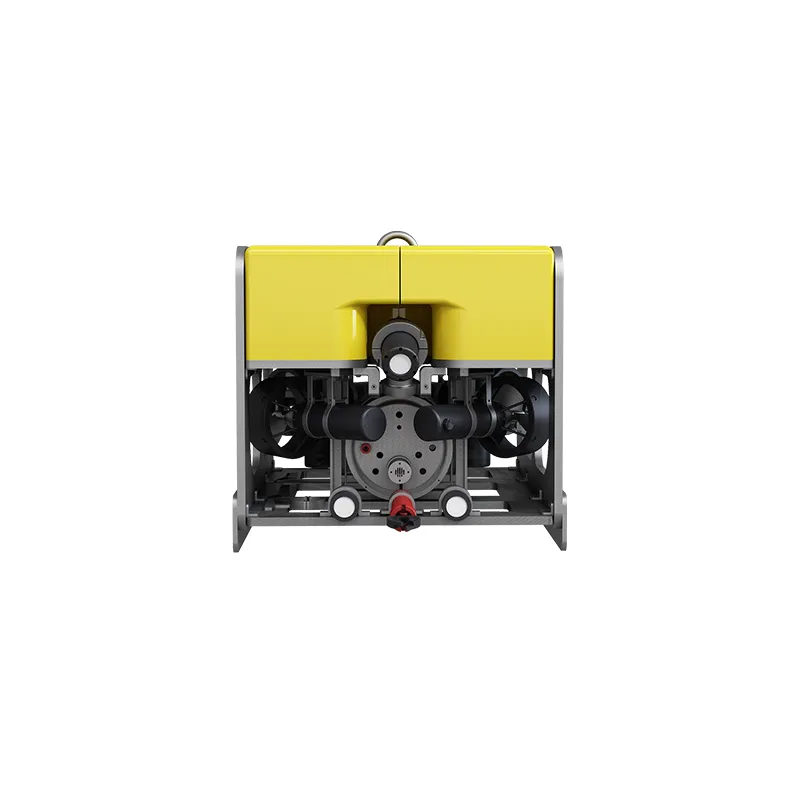
An ROV, or Remotely Operated Vehicle, is an unmanned underwater vehicle controlled by an operator from the surface. It is connected to a surface control station by a tether, which carries communication signals and, depending on the system, electrical power.
Equipped with cameras, lights and other mission-specific tools, an ROV allows operators to observe and work underwater without entering the water themselves.
2. What is the difference between an ROV and an AUV?
An ROV is generally controlled by an operator in real time through a tether. It is well suited to tasks that require live video, close inspection or direct interaction with underwater objects.
An AUV, or Autonomous Underwater Vehicle, typically follows a programmed mission with limited surface intervention. AUVs are often used for seabed mapping, marine surveys and data collection over larger areas.
The two technologies can also work together. For example, an AUV can survey an area first, while an ROV can later inspect selected locations in greater detail.
3. What are ROVs used for?
ROVs support a wide range of underwater inspection, research and engineering activities, including:
- Dam, reservoir and underwater structure inspection
- Pipeline and subsea infrastructure inspection
- Marine environmental monitoring
- Oceanographic research and observation
- Underwater search and visual surveys
- Light subsea maintenance, depending on the vehicle and tools
Pelagix ROV solutions are designed for marine research, underwater inspection and subsea operations.
4. What ROV models does Pelagix offer?
Pelagix offers the ROV-050 and ROV-100 remotely operated underwater vehicles.
| Model | Maximum operating depth | Payload capacity | Typical applications |
| ROV-050 | 300 m | 15 kg | Subsea inspection, environmental monitoring and light pipeline maintenance |
| ROV-100 | 300 m | 30 kg | Oceanographic research, dam inspection and subsea operations |
The most suitable model depends on the operating environment, required payload and mission objectives.
5. How deep can a Pelagix ROV operate?
Both the ROV-050 and ROV-100 are rated for a maximum operating depth of 300 meters. The complete system configuration, including the tether, cameras, sensors and other accessories, should also be suitable for the planned operating depth.
Please contact Pelagix with your project requirements to confirm the appropriate configuration.
6. How is an ROV controlled?
An ROV pilot controls the vehicle from a surface station using a control interface and live information from the onboard cameras and instruments. The pilot adjusts the vehicle’s movement and position to inspect an area or carry out a task.
Other team members may monitor the video feed, manage the tether, record observations or operate additional equipment, depending on the mission.
7. Does an ROV carry people underwater?
No. An ROV is an unmanned underwater vehicle. Its operators remain on the surface while controlling the vehicle remotely.
This allows teams to observe underwater environments and perform certain tasks without sending a person into the water.
8. How long can an ROV stay underwater?
Dive duration depends on the vehicle configuration and operating conditions. For a surface-powered ROV, the tether can provide power throughout the mission, but practical limits still apply.
Weather, currents, equipment condition, maintenance requirements, tether management and operator shifts can all affect how long a dive lasts. Contact Pelagix for information about the operating duration of a specific ROV configuration.
9. What cameras and instruments can be used on an ROV?
ROVs commonly use underwater cameras and lights for navigation and visual inspection. Depending on the model and mission, additional equipment may include sonar, environmental sensors, positioning equipment or tools for underwater intervention.
Available instruments and integration options depend on the vehicle’s payload capacity, interfaces and project requirements.
10. Can Pelagix ROVs carry additional sensors or tools?
The ROV-050 has a stated payload capacity of 15 kg, while the ROV-100 has a stated payload capacity of 30 kg. The tools and sensors that can be integrated depend on their size, weight, power requirements, communication interfaces and the operating environment.
Please share your intended equipment and mission details with Pelagix to check compatibility.
11. What is the difference between the ROV-050 and ROV-100?
Both models are rated to 300 meters, but they offer different payload capacities. The ROV-050 provides a 15 kg payload capacity and is designed for applications such as subsea inspection and environmental monitoring. The ROV-100 provides a 30 kg payload capacity for projects that may require a larger payload.
Choosing between them also depends on the tools, deployment conditions and operational requirements.
12. Can an ROV be used for dam and pipeline inspection?
Yes. ROVs can be used to visually inspect underwater structures such as dam surfaces, gates, intake areas and pipelines. Live video can help operators identify areas that may need closer examination, such as sediment buildup, surface damage or corrosion.
The inspection scope depends on visibility, access, water conditions and the equipment fitted to the ROV.
13. Can an ROV operate in low-visibility water?
ROVs can operate in challenging visibility conditions, but the quality of visual inspection depends on factors such as suspended sediment, lighting and water movement. Where camera visibility is limited, suitable sonar equipment may help operators understand their surroundings.
The appropriate sensor configuration should be selected for the site and inspection objectives.
14. How is an ROV launched and recovered?
An ROV is launched from a suitable surface location, such as a vessel, platform or shore-based site. After completing its mission, the pilot returns it toward the surface, where the team recovers it using equipment appropriate to the vehicle’s size, weight and deployment conditions.
Launch and recovery planning should account for water conditions, access, available space and tether management.
15. How many people are needed to operate an ROV?
The number of people depends on the vehicle, mission and deployment environment. A team may include an ROV pilot, a person managing the tether and personnel responsible for inspection, data recording or additional equipment.
More complex operations may require additional technicians and support personnel.
16. How do I choose the right ROV for my project?
Start by considering your maximum operating depth, the tasks the vehicle needs to perform and the equipment it must carry. It is also useful to assess:
- Water visibility and currents
- Camera, lighting and sensor requirements
- Payload capacity and tool compatibility
- Tether length and deployment conditions
- Available surface space and personnel
- Data recording and reporting requirements
Pelagix can help you discuss the available ROV options and identify a configuration suited to your application.
17. How can I request a quote for a Pelagix ROV?
Please contact Pelagix with your intended application, operating depth, location, required sensors or tools, and any other project requirements. This information will help the team recommend a suitable model and prepare a quotation.


