AUV Launch and Recovery: The Essential Planning Guide
Discover how PELAGIX plans safe and effective AUV launch and recovery operations. Explore key considerations including crew safety, sea states, deck space, and containerized LARS solutions.
2026/10/19
Reading volume: 1
News Details
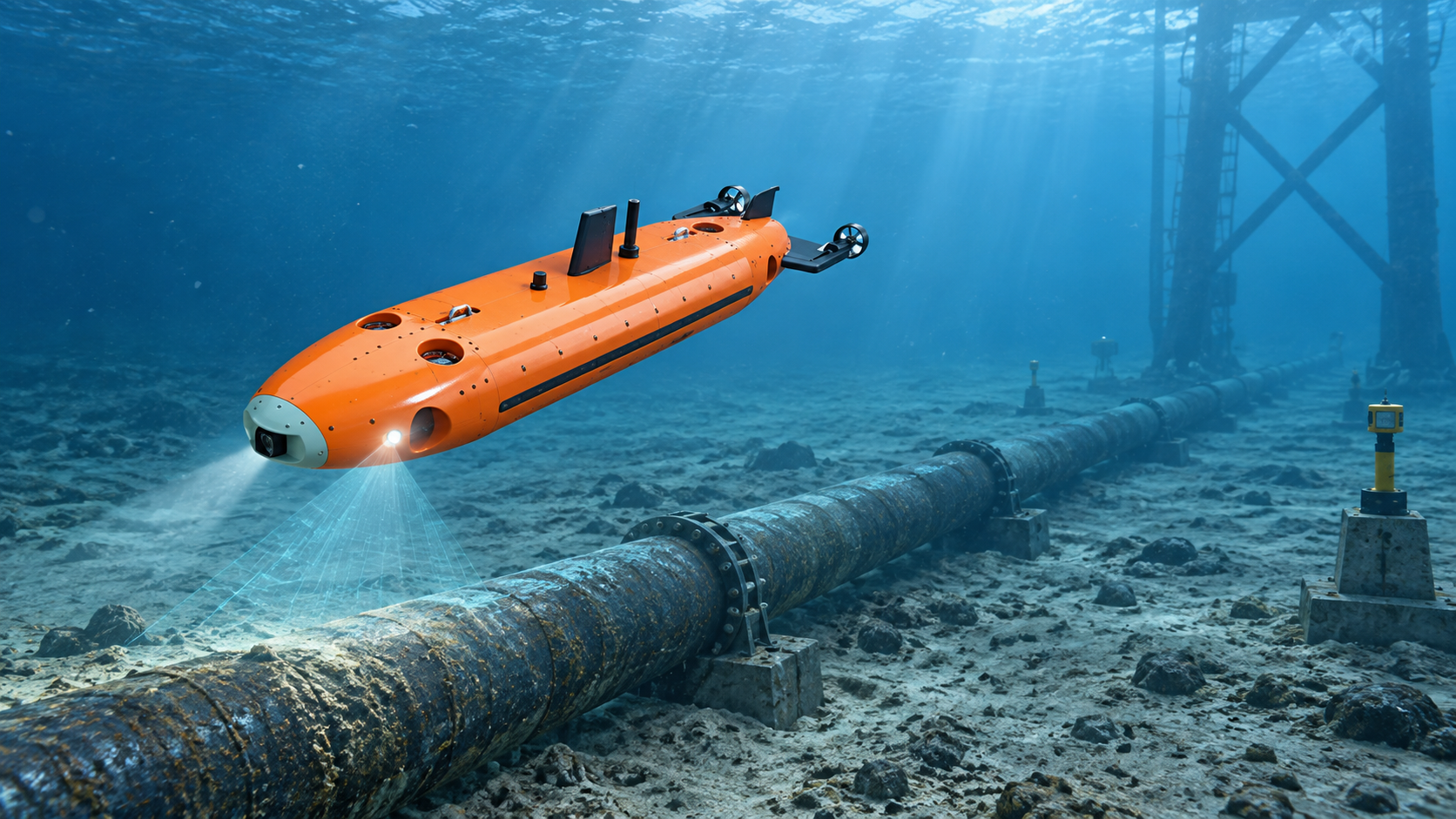
Safe subsea operations rely on reliable AUV launch and recovery. As underwater vehicles grow larger and more expensive, team leaders must carefully plan every detail of missions. Without proper preparation, rough waves or cramped deck spaces can quickly put workers at risk and damage valuable subsea equipment.
For these reasons, thorough AUV launch and recovery planning can protect both your offshore team and your equipment. By focusing on crew workflows, sea conditions, vessel layout, and hardware reliability, operations teams can greatly reduce risks in every project.
Train Your Crew for Safer Deck Operations
Before any mission begins, your deck crew needs clear instructions and good training. Even with an autonomous launch and recovery system, people still control key steps. Safe teams always focus on three simple habits:
-
Assign Clear Roles: Give each person a specific job, such as operating winches or guiding ropes.
-
Maintain Clear Signals: Use direct radio communication and hand signals to ensure the bridge, deck crew, and AUV pilot work together smoothly.
-
Hold Daily Briefings: Before starting work, review daily key risk points, load risks, and safe emergency procedures with your team.
When workers communicate well, they can prevent accidents and make heavy deck handling much safer.
Monitor Sea Conditions and Weather Limits
Rough waters and strong winds pose major challenges during subsea operations. If teams attempt AUV deployment and recovery in bad weather, waves may slam expensive equipment directly against the hull.
-
Check Wave Height and Period: Before releasing any vehicle, monitor both wave height and swell length.
-
Consider Currents and Wind: Strong crosswinds can cause a vehicle to drift off course the moment it enters the ocean.
-
Set Strict Operational Boundaries: Establish clear weather limits for your AUV LARS. If sea conditions exceed your limits, stop operations until conditions improve.
Optimize Deck Space with Containerized LARS
Space on workboats is always limited. Setting up heavy winches, power units, and control rooms requires careful spatial planning.
-
Clear Deck Pathways: Keep walkways around launch equipment clear so your team can move safely.
-
Use Modular Equipment: A compact containerized LARS provides a portable, ready-to-use system. It protects sensitive hydraulic components from saltwater while saving valuable deck space.
-
Secure Your Systems: Securely place your launch framework on the deck without blocking emergency exits or ship crane paths.
Follow a Recovery Checklist to Reduce Risks
A well-planned checklist serves as your final safety barrier before deploying valuable equipment into the sea. Checking each item helps prevent costly operational delays.
1. Pre-Launch Mechanical Check
Inspect physical latches, shock absorbers, lifting slings, and synthetic ropes for any signs of wear or damage.
2. Systems and Signals Check
Test power levels, acoustic tracking, radio links, and remote release tools to ensure complete remote control.
3. Emergency Abort Plan
Develop a simple step-by-step contingency plan for cases where rough waves prevent the system from latching onto the vehicle during recovery.
Upgrade Your Offshore Launch & Recovery Operations
Ready to improve safety and operational efficiency for your next marine project? Partner with PELAGIX to deploy customized, modular AUV LARS solutions built for the harshest marine environments.
Contact the PELAGIX team today
to discuss your subsea handling requirements and request a personalized consultation.
Share to:


Matching Underwater Thruster Power with Payload, Tether Drag and Hovering Tasks
ROV Inspection Checklist for Dams: Gates, Intakes, Sediment and Crack Documentation


