High-Efficiency Underwater Thrusters for AUV and ROV Platforms
News Details

Underwater vehicles need steady, efficient, and reliable movement. Whether the platform is an AUV or an ROV, the thruster system has a direct effect on control, power use, and data quality.
A high efficiency subsea thruster helps the vehicle move with less energy loss. It can also support longer work time, smoother handling, and better stability near underwater structures. For teams working in marine research, seabed mapping, dam inspection, port work, offshore wind inspection, and pipeline checks, this can make daily operations easier and more cost-effective.
PALEGIX develops AUVs, ROVs, core components, sensors, and software systems for civil underwater applications. As an underwater thruster manufacturer, PALEGIX focuses on practical performance for real marine tasks.
Why Thruster Efficiency Matters
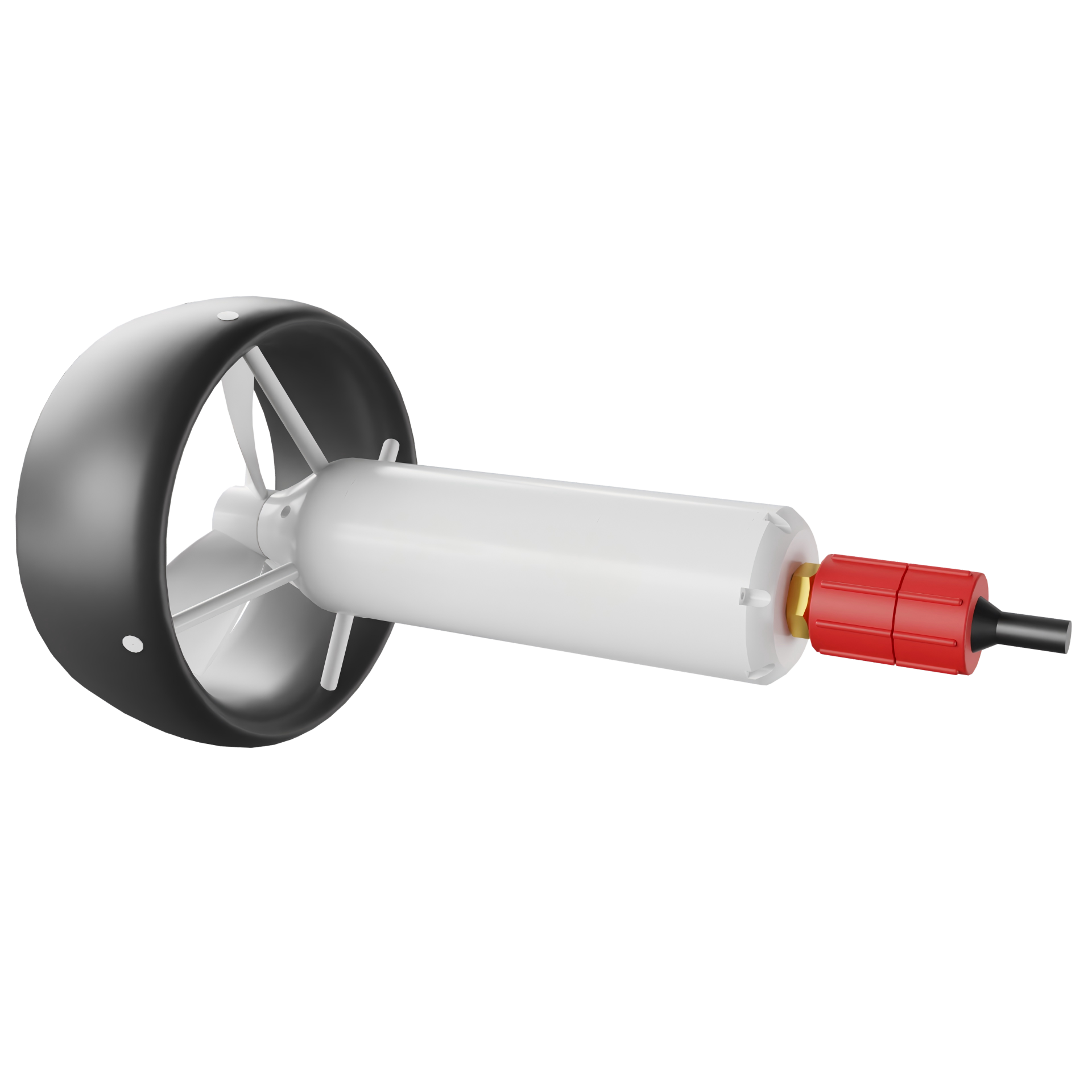
Thrusters turn electrical power into underwater movement. If the system is not efficient, more energy is lost as heat, drag, or vibration. As a result, the vehicle may have shorter operating time and weaker control.
In contrast, a high efficiency subsea thruster uses power more effectively. This helps the AUV or ROV work longer and move with more precision. It also reduces the load on the power system.
For AUV platforms, better efficiency can support longer survey routes. For ROV platforms, better ROV propulsion can help operators keep a stable view during inspection and data collection. In both cases, efficient thrust supports better results.
The Role of Thrusters in AUV Platforms
AUVs work without a surface cable during normal operation. Therefore, power use is a major design factor. Every part of the system must be planned with care, and the thruster is one of the most important parts.
An efficient thruster helps the AUV move through the water with lower power demand. This can support longer routes, wider survey areas, and better mission planning for oceanographic research, seabed mapping, and underwater environment monitoring.
Also, smooth thrust helps the AUV keep a steady path. This is useful when collecting sonar data, CTD data, seabed images, or other scientific records. When movement is stable, the data is often easier to review and compare.
The Role of Thrusters in ROV Platforms
ROVs are controlled from the surface and are often used for inspection, sampling, repair support, and close-range underwater tasks. Because operators guide the vehicle in real time, ROV propulsion must be responsive and stable.
A strong ROV propulsion system helps the vehicle move forward, backward, sideways, up, and down. It also helps the ROV hold position near a structure while cameras, lights, sonar, or tools are in use.
For example, during dam inspection or offshore wind foundation checks, the operator may need to move slowly and keep the camera steady. A well-designed thruster system makes this easier. It also reduces operator fatigue during long work periods.
What Is a Vector Thruster Layout?
A vector thruster layout uses angled thrusters to create multi-directional movement. Instead of only pushing the vehicle forward or upward, the system can combine thrust from several directions.
This gives the vehicle better control in tight spaces. It also allows smooth side movement, turning, and stable hovering. For many ROVs, a vector thruster design is useful because it supports precise handling near underwater structures.
PALEGIX ROV platforms include models with vector propulsion layouts designed for civil inspection, environmental monitoring, and underwater data collection. This type of design helps operators move with more confidence in complex work sites.
Key Features of a High Efficiency Subsea Thruster
When comparing thrusters, buyers should look beyond size and thrust value. A good thruster should offer balanced performance across several areas.
Important features include:
High thrust output with low power use.
Stable performance at the planned working depth.
Smooth speed control at low and high speeds.
Low vibration for better sensor and image data.
Strong sealing for long-term underwater use.
Corrosion-resistant materials for marine environments.
Easy cleaning, service, and replacement.
Good compatibility with the vehicle control system.
Together, these features help the thruster perform well in field work, not only in a test setting.
Matching Thrusters With Payload and Task Needs
The right thruster depends on the vehicle size, payload, depth, tether drag, and work type. A small ROV used for light inspection may need a compact and efficient setup. A larger ROV with cameras, sonar, and tools may need more thrust and stronger control.
For AUVs, the thruster choice must also match the planned route and battery size. If the vehicle needs to cover a long distance, efficiency becomes even more important. If it needs to move slowly for detailed data collection, fine speed control matters.
In addition, payload changes can affect balance and movement. When extra sensors or tools are added, the thruster system must still keep the vehicle stable. Because of this, buyers should review propulsion and payload together.
How Thruster Design Affects Data Quality
Movement quality can affect the data collected underwater. If the vehicle shakes, drifts, or moves too quickly, images may blur and sensor readings may become less stable.
A good ROV propulsion system supports smooth motion. It helps the operator keep cameras and sensors at the right angle. Also, a stable AUV thruster setup helps the vehicle follow a planned survey line with better accuracy.
This is especially useful for seabed mapping, underwater structure inspection, marine environment monitoring, and scientific research. Better movement often leads to better data.
What B2B Buyers Should Ask Before Choosing a Thruster
Before selecting a thruster or a full AUV or ROV platform, buyers should prepare a clear project profile.
Useful questions include:
What vehicle type will use the thruster?
What is the planned working depth?
What payload will the platform carry?
Will the system work in calm water, current, or confined spaces?
Is precise hovering needed?
How long should each operation last?
What power supply is available?
How easy is maintenance in the field?
What spare parts and support are available?
These questions help the supplier recommend a system that fits real work needs.
Why Choose PALEGIX as an Underwater Thruster Manufacturer?
PALEGIX works across AUVs, ROVs, underwater components, sensors, and software systems. This full-system experience helps the team design thrusters that work well with the whole platform.
Rather than treating the thruster as a separate part, PALEGIX considers vehicle shape, payload, control software, power demand, and field use. This helps improve stability, efficiency, and long-term reliability.
For buyers, this means better support from system planning to field operation. It also makes future upgrades easier when project needs change.
Build Better AUV and ROV Platforms With Efficient Thrusters
A high efficiency subsea thruster is a key part of any reliable underwater vehicle. It improves movement, extends operating time, supports better control, and helps teams collect clearer data.
For AUVs, efficient thrusters support longer survey routes and stable autonomous movement. For ROVs, strong ROV propulsion and vector thruster layouts help operators work with precision in real underwater sites.
PALEGIX provides AUV, ROV, and underwater component solutions for civil marine work, including oceanographic research, seabed mapping, underwater inspection, and environmental monitoring. Learn more about PALEGIX underwater systems on our website.


