Exploring Trends in the AUV and ROV Industry: Market Growth, Offshore Wind, and AI Autonomy
Analysts project that the autonomous underwater vehicle (AUV) market will reach US$1.85–2.6 billion by 2026, growing at a compound annual growth rate (CAGR) of 8.7–14.3%. Key growth drivers include regulatory requirements for offshore wind farm inspections, progress on the Seabed 2030 seabed mapping initiative, AI-powered autonomous navigation technologies, and the expansion of multi-AUV coordinated operations. This article summarizes the core industry trends and their implications for decision-makers in underwater engineering programmes.
2026/11/19
Reading volume: 0
News Details
The AUV and ROV industries are entering a period of sustained, commercially driven growth. Market analysts point to rising demand from offshore wind operators, survey contractors, and research institutions, alongside rapid advances in AI autonomy, long-endurance platforms, and multi-vehicle operations. This briefing summarises the trends most relevant to organisations planning underwater survey and inspection programmes, with market figures attributed to published industry research.
Market Outlook: Steady Growth Across Analyst Estimates
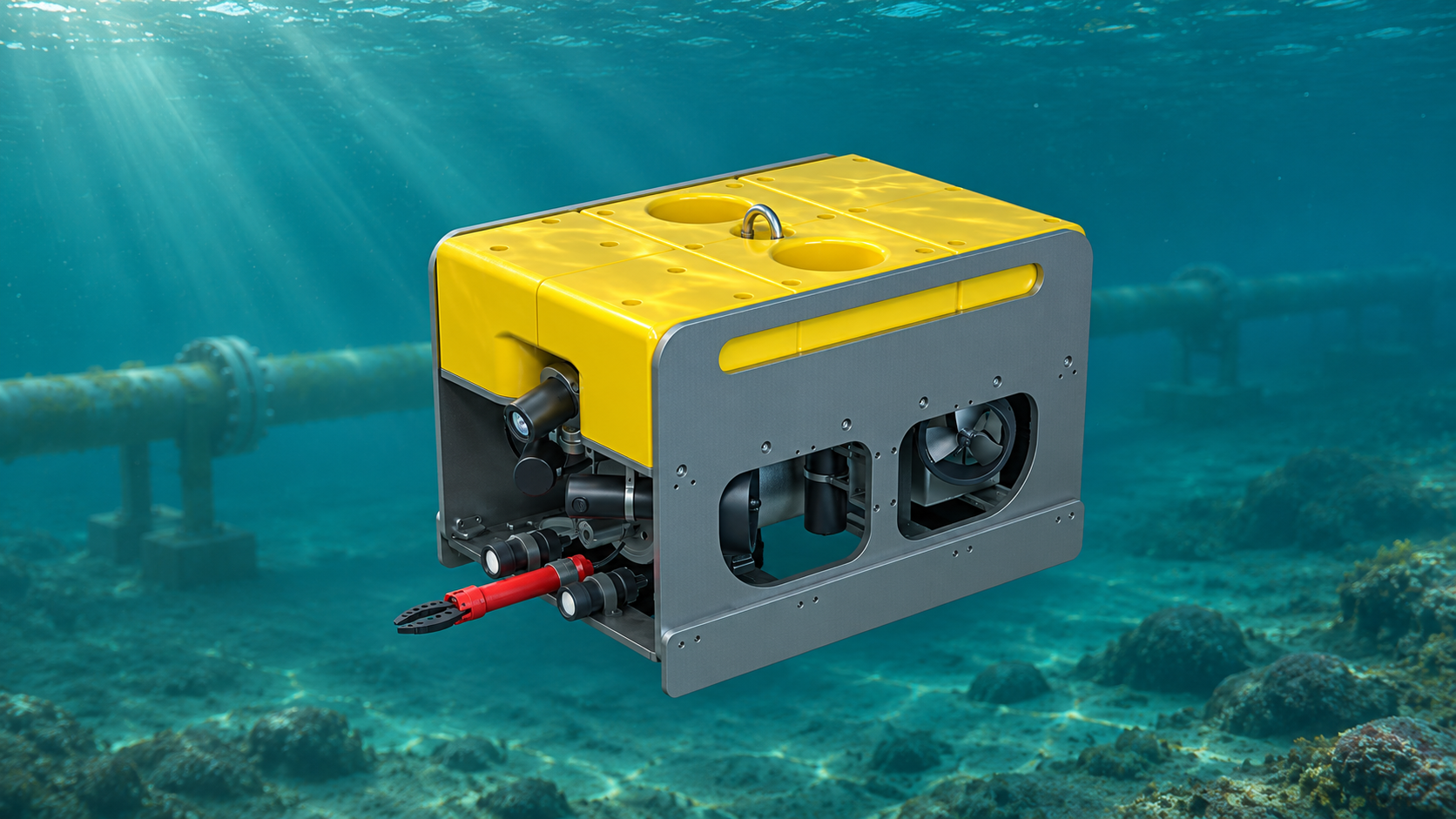
Published forecasts differ in methodology but agree on direction. Visiongain estimates the global autonomous underwater vehicle (AUV) market at USD 2.57 billion in 2026, growing at a 8.7% CAGR through 2036. 360iResearch projects USD 2.59 billion in 2026, rising to USD 5.84 billion by 2032 (14.31% CAGR), while Fortune Business Insights estimates USD 1.85 billion in 2026, growing to USD 4.37 billion by 2034 (11.3% CAGR). For the offshore segment specifically, Next Move Strategy Consulting projects the offshore AUV and ROV market expanding from USD 3.73 billion in 2025 to USD 6.7 billion by 2030 at 12.4% CAGR. Buyers should treat the spread between estimates as a range rather than a precise forecast, but the consistent signal across firms is structural, multi-year growth in civil survey and inspection demand.
Offshore Wind Is the Fastest-Growing Demand Driver
Renewable energy is the fastest-growing AUV application segment, at a projected 22.5% CAGR through 2035 according to Next Move Strategy Consulting. Global offshore wind capacity passed 83 GW by early 2026, with a near-record 6,773 MW of new capacity installed in 2025, and classification societies such as DNV and Lloyd's Register mandate structural, scour, and corrosion inspections of turbine foundations and subsea cables at regular intervals, typically every five years. This creates recurring, scheduled inspection work rather than one-off surveys. A technical detail matters here for equipment planners: massive steel turbine foundations interfere with the USBL acoustic tracking that tethered inspection vehicles traditionally depend on, so operators increasingly specify AUVs with SLAM and visual navigation that can hold accurate survey positions without a surface tracking beam. This is an underwater inspection requirement that favours autonomous platforms—an AUV for offshore wind inspection work—supported by tethered ROVs for intervention tasks.
The Seabed Mapping Gap Keeps Long-Endurance AUVs in Demand
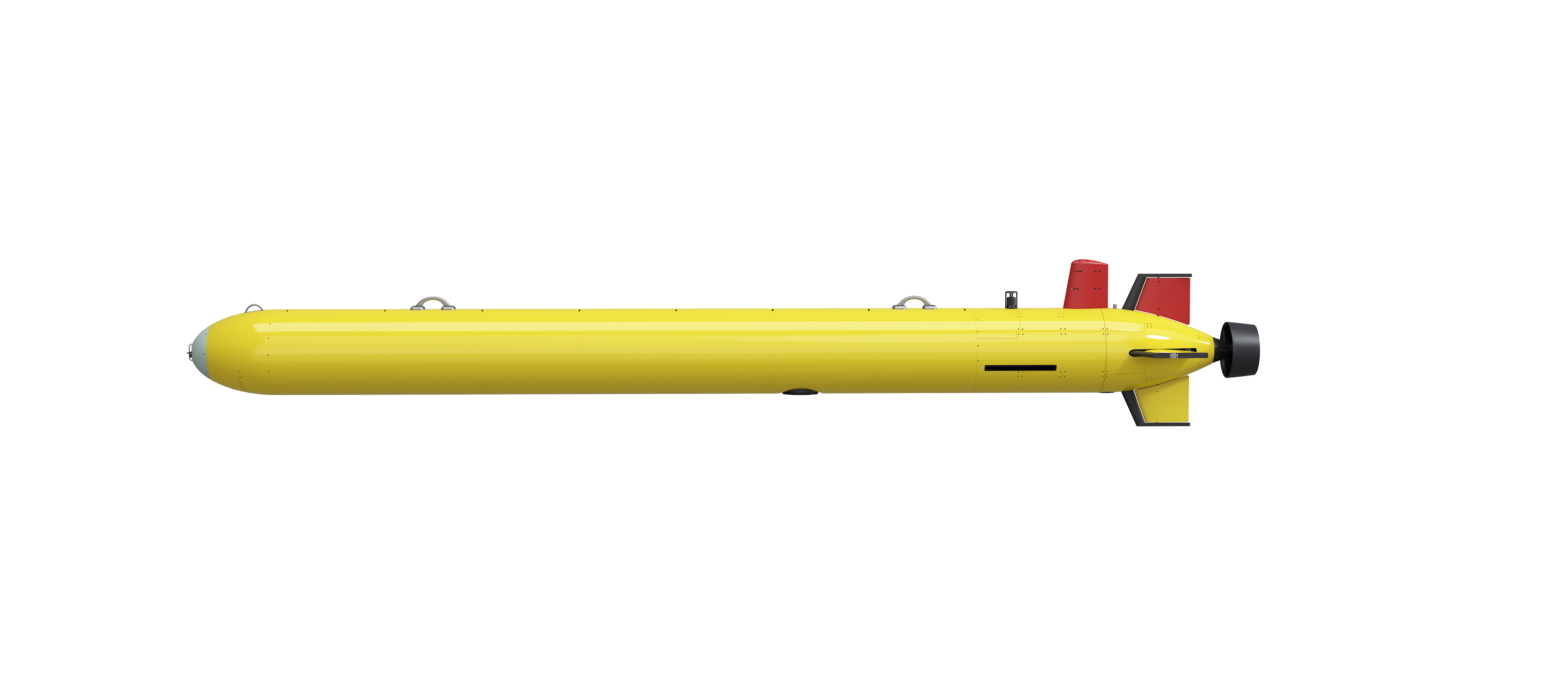
Only 28.7% of the global seafloor had been mapped to modern standards as of April 2026, according to the Nippon Foundation-GEBCO progress update for the Seabed 2030 project—up sharply from about 6% in 2017, but still leaving roughly 71% unmapped. NOAA notes that more than 80% of the ocean remains unmapped, unobserved, and unexplored. Meeting the 2030 goal requires survey throughput that crewed vessels alone cannot deliver economically, which is why long-endurance AUVs—platforms capable of multi-day to multi-week sorties covering hundreds to thousands of kilometres—keep appearing in mapping programmes, from deep-water bathymetry to route and site surveys. For buyers, endurance and navigation accuracy have become the primary differentiators when specifying an AUV for seabed survey duty.
AI Autonomy and Multi-Vehicle Operations Are Redefining Mission Profiles
AI-enabled autonomy is the fastest-growing autonomy segment, at a projected 21.9% CAGR through 2035 per Next Move Strategy Consulting. Onboard object recognition and adaptive mission planning reduce dependence on pre-scripted waypoints and constant surface oversight, letting vehicles classify contacts, prioritise survey paths, and adjust coverage while the mission is still running. The same research firms identify multi-vehicle operations as a scaling mechanism: coordinated groups of vehicles using acoustic communications can cover wide survey areas in parallel, multiplying throughput without multiplying vessel time. Both capabilities are already commercially relevant—they appear in current survey tender requirements rather than only in research literature—and buyers evaluating AUV and ROV suppliers should ask how onboard recognition, adaptive replanning, and multi-vehicle coordination are implemented in the supplier's control software.
Resident Vehicles, Docking Stations, and Modular Payloads
Three hardware trends are converging. First, resident AUVs that dock, recharge, and offload data on the seafloor are moving from concept to commercial deployment, extending persistent presence without surface support. Second, docking technology has matured: acoustic-optical guidance, non-contact underwater charging, and underwater data transfer are now specified in commercial systems, with docking success rates and charge efficiency published as buyer-facing specifications. Third, modular payload integration is letting operators extend platform capability without a full redesign—analysts point to third-party sonar and battery modules being integrated into established AUV lines as evidence that sensor innovation is decoupling from hull manufacturing. Together, these trends lower the cost of persistent monitoring programmes in ports, reservoirs, aquaculture sites, and nearshore infrastructure.
From Hardware Sales to Survey Services
Analysts also note a commercial-model shift: from one-off vehicle purchases toward outcome-based survey services, with lean-crewed robotic support vessels, shore-based operations centres, and SLA-backed contracts that bill for delivered data—square kilometres mapped, pipeline integrity KPIs—rather than for hardware. Hybrid AUV/ROV platforms that combine autonomous wide-area survey with tethered intervention capability are a related opportunity, letting one system locate a contact and then perform tool-equipped work on it with fewer platform changes. Buyers planning multi-year survey programmes should weigh both routes: direct platform ownership with in-house crews, or contracted survey services where the supplier commits to data deliverables.
What This Means for Underwater Programme Planners
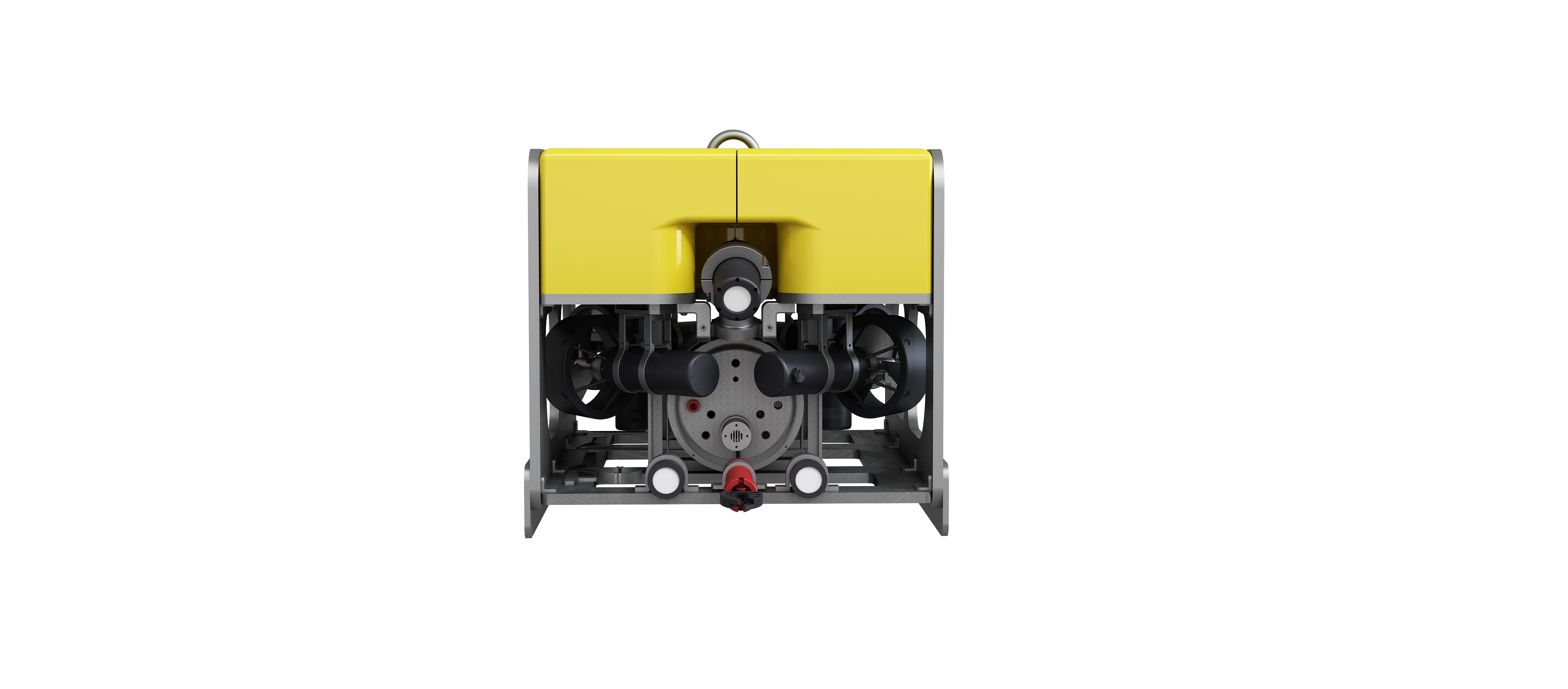
For organisations specifying underwater vehicles in the next procurement cycle, four practical takeaways emerge from the trend data:
- Match depth rating to actual mission depth. Configurable depth options avoid paying for capability the programme will not use.
- Specify endurance and navigation accuracy together. Coverage economics depend on both, and analyst-led mapping demand increasingly rewards platforms that deliver 90+ hour sorties with sub-0.5% navigation error.
- Plan for autonomy now. Onboard recognition, SLAM navigation, and multi-vehicle coordination are moving from optional to expected in offshore inspection and mapping tenders.
- Consider the full system, not the hull alone. Docking stations, modular payloads, and integrated ground stations determine programme cost over the vehicle's life.
PelagiX supplies AUV platforms, tethered ROVs, docking systems, and the supporting control software for civil survey, inspection, and research programmes; the full product range is listed at pelagix-tech.com, where buyers can also request configuration guidance aligned to a specific survey programme.
Share to:


