What is an AUV?
News Details
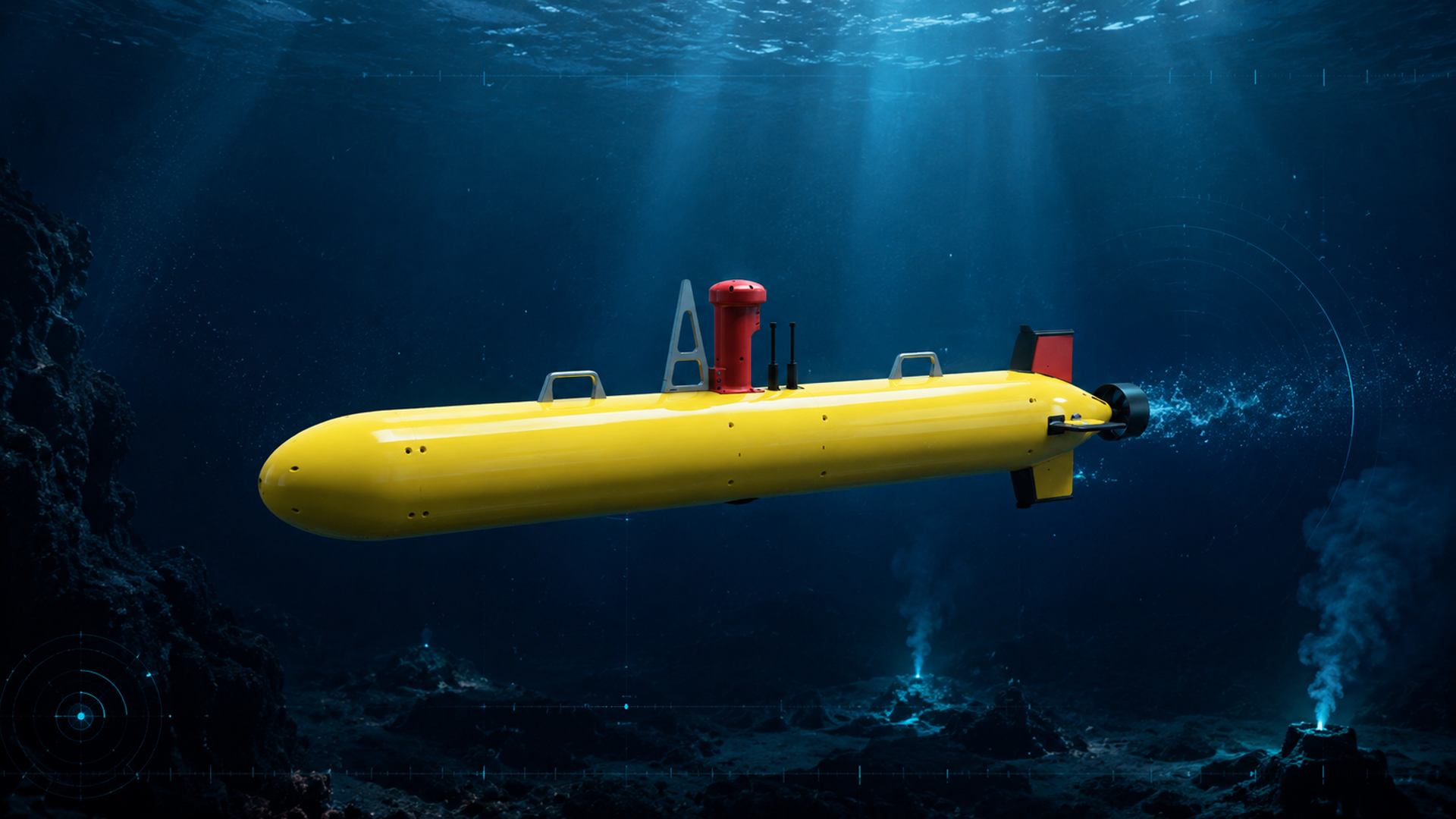
The ocean covers more than seventy percent of our planet. However, exploring deep waters is still a hard task for marine teams. Today, modern technology offers a smart solution to this challenge. An autonomous underwater vehicle (AUV) allows companies to collect subsea data safely and quickly.
In this short guide, we will explain what an AUV is, how it works, and why it helps modern subsea industries.
Understanding How an Autonomous Underwater Vehicle Operates Deep Underwater
An auv autonomous underwater vehicle is a self-propelled robot. It works underwater without any physical line to a surface ship. Unlike a remotely operated vehicle, an underwater autonomous vehicle does not need a human operator to steer it through a cable.
Instead, engineers program the machine with precise flight paths and tasks before launch. Once in the water, the robot travels on its own. It uses onboard sensors, battery power, and smart navigation systems to finish its subsea survey mission. After the job is done, it returns to a set spot for easy pickup and data download.
Key Features That Power Modern Autonomous Underwater Vehicles Today
Modern autonomous underwater vehicles share several main parts that help them work on their own:
-
Internal Battery Power: Long-lasting lithium battery packs allow subsea survey jobs to run for hours or days.
-
Smart Navigation Tools: Sensors like Doppler Velocity Logs and Inertial Navigation Systems keep the vehicle on its path.
-
Data Payload Sensors: Side-scan sonars, multibeam echosounders, and cameras record clear marine data.
-
Control System Software: Onboard industrial-grade computers help the vehicle dodge obstacles and keep a steady depth.
Because of these tools, an autonomous underwater vehicles auv system can collect ocean data over large areas without human help.
Main Practical Uses for Subsea Robots in Marine Industries
Commercial teams, industrial service firms, and scientists rely on these subsea robots for many daily tasks:
1. Checking Subsea Pipelines and Offshore Wind Energy Structure Foundations
Energy companies must inspect subsea cables and wind turbine bases. An AUV flies close to these structures to check pipelines for damage.
2. Mapping the Ocean Floor and Conducting Marine Geological Surveys
Scientists use these robots to scan seabed shapes, measure water currents, and study ocean life. High-resolution surveys help map subsea ground structures clearly.
3. Monitoring Port Safety and Tracking Changes in Water Quality
Port teams check channel depths and water conditions to keep harbors safe for ships. Regular monitoring spots changes in dirt and water over time.
Key Operational Advantages Over Traditional Subsea Cable Tools
Using an autonomous vehicle brings clear work benefits for marine service teams:
-
Lower Work Costs: These robots do not need heavy cable systems or large crew teams during the survey mission.
-
Better Data Quality: Without a heavy cable pulling on the robot, it moves smoothly through the water. This smooth movement creates clearer sonar images.
-
Safety for Boat Crews: Teams can launch the robot and watch civil work from a safe spot, even in rough seas.
Why You Should Pick PelagiX as Your Subsea Partner
Picking the right company among global autonomous underwater vehicle companies is key to project success. Brand PelagiX by Sanya Poseidon Ocean Technology Co., Ltd. builds reliable subsea robots for tough ocean conditions.
Our industrial-grade systems pair strong hardware with simple control software. Whether you need deep seabed resource mapping, marine monitoring, or structure checks, PelagiX offers proven research-grade tools for your project.
To learn more about our subsea systems and product lines, visit our official website at PelagiX.


